
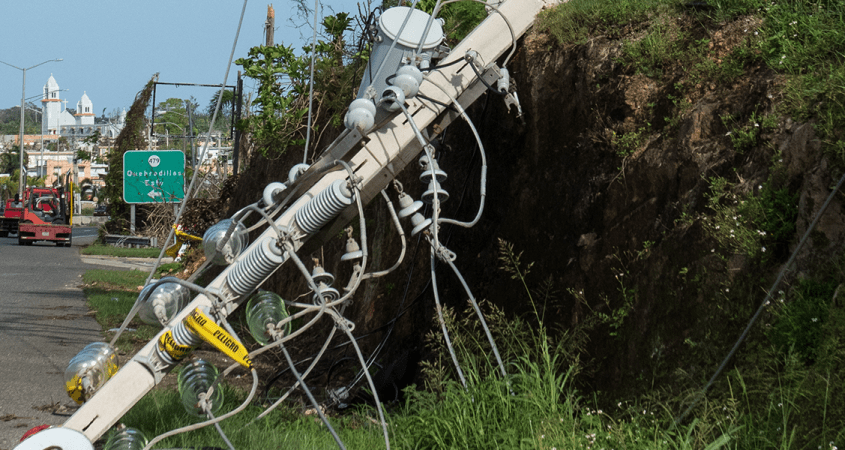
Washington (CAR) Analysis | May 15, 2023 by Climate Journalist Noreen Wise; Image Credit: AdobeStock
As the sun rose on Puerto Rico September 20, 2017, Hurricane Maria made landfall in the southeastern coastal city of Yabucoa. The devastating Category 4 superstorm brought pounding rains, massive storm surge, and ferocious winds with sustained gusts of 155 mph. Maria thrashed and pounded the beleaguered island for hours until all that remained was a shattered mass of destruction.
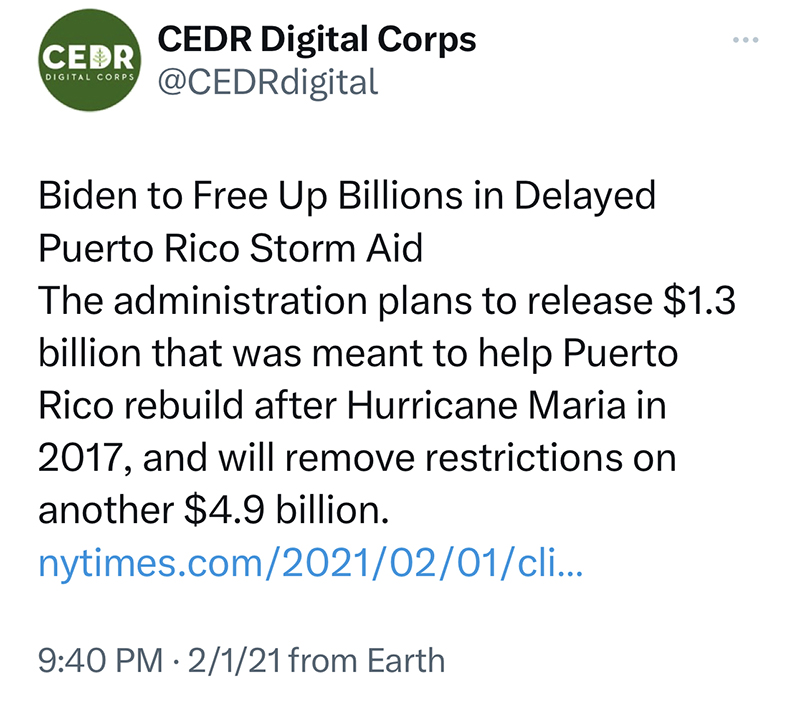
Fast forward to September 18, 2022. Puerto Rico, still rebuilding after Maria, and still waiting for a majority of the promised 2017 FEMA relief money, was thrown into chaos once again. Hurricane Fiona hammered the small island with its violent rage, smashing the US territory to smithereens. The brunt of Fiona’s furry was centered on Ponce, where 32 inches of rain pounded the city and outlying areas for 72 hours, causing previously unimagined flooding and devastation.
Two months later on November 22, 2022, 16 municipalities of Puerto Rico, channelled all their outrage and contempt for the fossil fuel industry into a first of its kind complaint (Case 3:22-cv-01550) seeking damages for all the losses that occurred during the fateful September 2017 hurricanes, as well as “all of the ensuing impacts upon [Puerto Rico Municipalities] and their island’s health, education, welfare, infrastructure, and economy.”
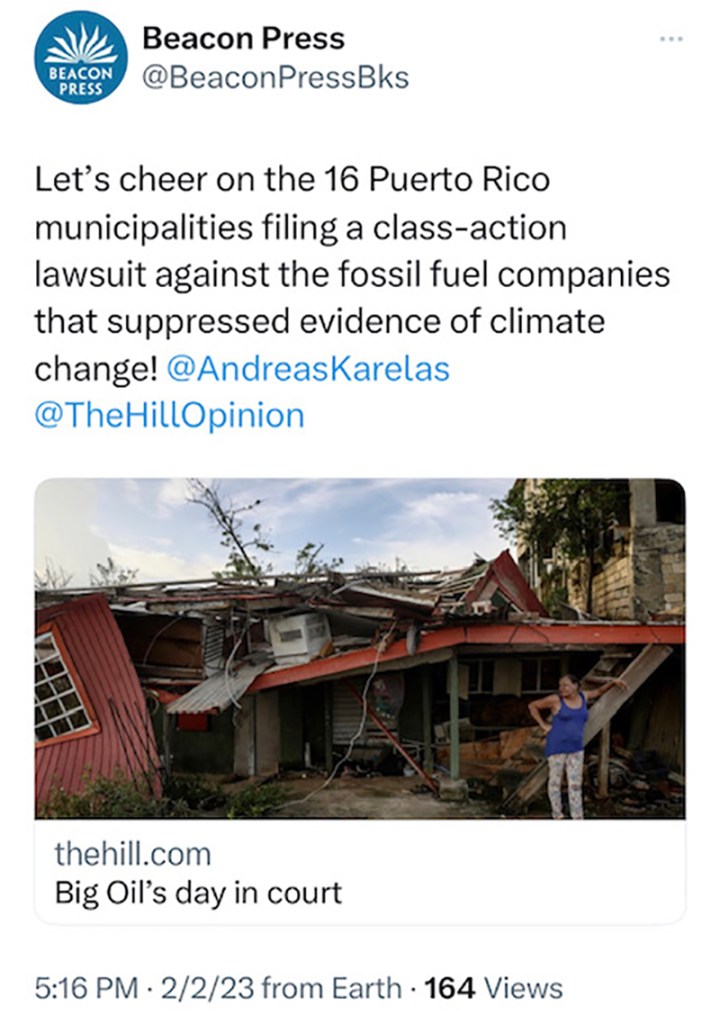
The 247 page class-action lawsuit, Municipalities of Puerto Rico v. Exxon Mobil Corp. et al, methodically spells out the fossil fuel industry’s “corporate worldwide strategy to hide” the scientific information they’d paid for decades earlier, that fossil fuel products would accelerate climate change and cause extreme weather event impacts on islands such as Puerto Rico most notably, as well as everywhere else on earth.
“Plaintiffs seek to impose liability on Defendants who misrepresented the dangers of the carbon-based products which they marketed and sold despite their early awareness of the devastation they would cause Puerto Rico.”
This is the first climate case that includes a Racketeer Influenced and Corrupt Organizations Act (RICO) claim.
In 1989, the fossil fuel Defendants formed the Global Climate Coalition (GCC). “Through the GCC, Defendants funded a marketing campaign of deception that continues to this day, in violation of federal and Puerto Rico consumer protection rules, anticompetitive practices, racketeering statutes, and common law.”
Additionally, the complaint demands that there be a jury trial for the 14 alleged charges that were outlined in the complaint: “consumer fraud, racketeering, antitrust, fraudulent misrepresentation, negligent misrepresentation, negligent fraudulent concealment, conspiracy to defraud, products liability, strict liability failure to warn, negligent failure to warn, and unjust enrichment, as a result of the devastating storms of September 2017, and the aftermath of those storms which occurred as a result of the Defendant’s acts and omissions.” (Paragraph 11, page 10 of the complaint.)
The following are the listed defendants in Municipalities of Puerto Rico v. Exxon Mobil Corp. et al:
- Exxon Mobile Corp
- Shell PLC F.K.A. Royal Dutch Shell
- Chevron Corp
- ConocoPhillips
- Motiva Enterprises, LLC
- Occidental Petroleum F.K.A. Anadarko Petroleum Corp
- BHP
- Arch Resources INC. F.K.A. Arch Coal Company
- Rio Tinto PLC
- Peabody Energy
- XYZ Corporations 1-100
- John and Jane Does 1-100
HISTORY OF RICO CASES
Former FBI Director Andrew G. McCabe shared with the public in his best selling book, The Threat: How the FBI Protects America in the Age of Terror and Trump, detailed information about the FBI’s Enterprise Theory of Investigation (ETI).
The ETI is what the FBI uses to investigate and prosecute organized crime enterprises such as the mafia and drug cartels. ETI came into existence following the U.S. Congress passing the 1970 Organized Crime Control Act which included the RICO provision. Once this unique investigative process was established, the FBI was able to succeed at bringing down organized crime syndicates.
“The ETI encourages a proactive attack on the structure of the criminal enterprise. Rather than viewing criminal acts as isolated crimes, the ETI attempts to show that individuals commit crimes in furtherance of the criminal enterprise itself.”
Richard A. McFeely, FBI Law Enforcement Bulletin
“Enterprise Theory is to investigation as grammar is to language. Without grammar, language would be a sprawling mush of verbiage.”
Andrew G. McCabe, The Threat
There are specific requisites for an organization to be deemed criminal by the FBI:
- collection of individuals
- with a hierarchy
- participating in extensive criminal activity
Once it’s been established that the group is a criminal organization, the FBI determines the scope using historic and current evaluations. Association evidence is critical. From there, investigators:
- follow the money
- attack the flow of money
- asset forfeiture
- make use of money laundering statutes
COOPERATING WITNESSES
Eli Honig, assistant US attorney in the Southern District of New York from 2004 to 2012, and former deputy chief of the Organized Crime Unit, authored the book Untouchable: How Powerful People Get Away with It. Released on January 31, 2023, this must-read accounting of the investigations into some of the most notorious organized crime figures in the US, underscores the importance of cooperating witnesses in prosecuting RICO cases.
“They had power committees. They had panels of leaders. And you never knew…exactly who was in control…Andrew Prisco was a very, very respected guy. Tough guy. And a cold blooded murderer. He was a murderer,” divulged Michael Visconti, Genovese Crime Family soldier turned cooperating witness.

Top Climate Actions We Can Execute Immediately:
Cutting Food Waste Urgent Priority
The Whitest White Paint to Help Lower the Heat
Informed Action Will Help Restore Biodiversity
Alfalfa and Tall Grasses Are Carbon Capture Superheroes
Honig shared with his readers that: “The Genovese family was different. We prosecutors and the FBI would jokingly refer to the Genovese family as the ‘Ivy League’ of the mafia. Meaning, they were smart. They weren’t flashy. They were secretive, kept a low profile. They made a lot of money and they were tough to prosecute.”
Maybe Al Capone‘s take on things is the most similar to the fossil fuel industry’s extreme greed and heartless disregard for the planet’s destruction and humanity’s annhilation: “This American system of ours, call it Americanism, call it capitalism, call it what you will, gives each and every one of us a great opportunity if we seize it with both hands and make the most of it.”
Will big oil prove to be untouchable? Will all these subhuman fossil fuel Defendants get to keep their hundreds of billions of dollars in profits without any accountability?

Puerto Rico is willing to step out on a limb and give it their best shot. They have nothing left to lose.
“But I take solace in this: We didn’t let Dan Marino get away with it. He didn’t stroll away from the murder of his nephew, a cruel act for which he was responsible, in both the legal and the moral sense, utterly unchallenged. We indicted him. We brought a criminal case captioned: United States v Daniel Marino. He took a plea. He admitted his guilt. He went to prison for years. The first paragraph of his obituary will say that he conspired to murder his own nephew, and he was charged for it and convicted in a court of law,” said Eli Honig when discussing the importance of trying even if the defendants really do seem untouchable.
“We took on a difficult fight because we knew it was the right thing to do. We felt we had to do it,” Honig continued.
“It’s not a matter of courage, really. It’s a matter of humility. It’s a willingness to take on an imperfect case and perhaps even absorb a loss of sorts to promote and protect the greater good. Sometimes you have to take on the tough battles, including those that may seem at once necessary and just, but also potentially unwinable. Sometimes the fight itself is worth it. An imperfect justice is preferable to no justice at all,” Honig assured readers.
Good luck, Puerto Rico! Billions of people are rooting for you.
© Copyright 2023. ALL Rights Reserved.

 Climate Action Report