Category: soil

Climate Change and the Explosive Book: Environmental Hazards, Are You Exposed?

Washington (CAR) Analysis | May 28, 2021 by Climate Journalist Noreen Wise; Special Guest author Fred Siegel Environmental Hazards, Are You Exposed?

Today’s atmospheric carbon level is 419.53 ppm, up two points from just a week ago. Additionally, scientists announced today that within the next five years we are 90 percent likely to break yet another record for the hottest year in recorded history, which despite 197 countries joining the Paris Agreement, and working so hard to reduce global warming, shows that we’re tracking in the wrong direction. 

How is this possible?

Continue reading “Climate Change and the Explosive Book: Environmental Hazards, Are You Exposed?”
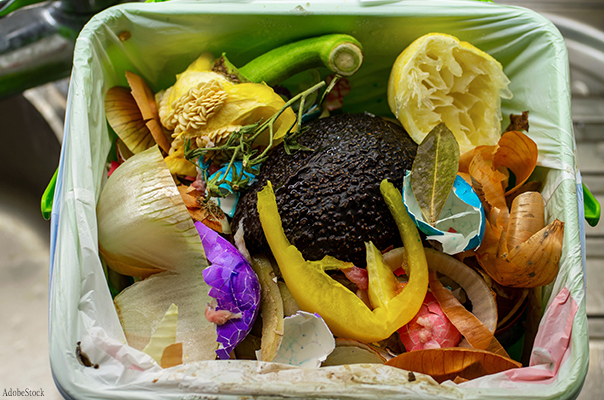
Composting | A Major Climate Solution

Washington (CAR) Analysis | May 19, 2021 by Catherine Zacuto, M. Ed.

Perspective is everything. Composting can seem like a daunting task or a simple way to make our soil healthy. The benefits of composting for the climate and the environment may persuade you to get on board, to learn something new, and to contribute to a growing movement to give back.

Continue reading “Composting | A Major Climate Solution”

Bruce, My Pet Worm | Build Back Better

Washington (GGM) Analysis | May 9, 2021 by Catherine Zacuto, M. Ed.; source expert contributions from Pamela Scaiff

Some people fall easily into the “dog people” category, some into the “cat people” one. If you are not either of those, you may be a “worm person.” Even if you love dogs and cats, you might be surprised to discover the advantages of worms for your lifestyle and your garden. Though not cuddly, worms make great pets. They don’t smell, they are clean, and they don’t have to be fed every day (or even every week). Worms don’t disturb the neighbours. They have a symbiotic relationship with insects. Worms don’t need pet sitters when you go away for a month. Even if you don’t need a new pet, the advantages of worms are worth investigating.

Continue reading “Bruce, My Pet Worm | Build Back Better”

We All Need to Plant Our Own Vegetables for Climate

Washington (GGM) Analysis | May 9, 2021 by author Noreen Wise

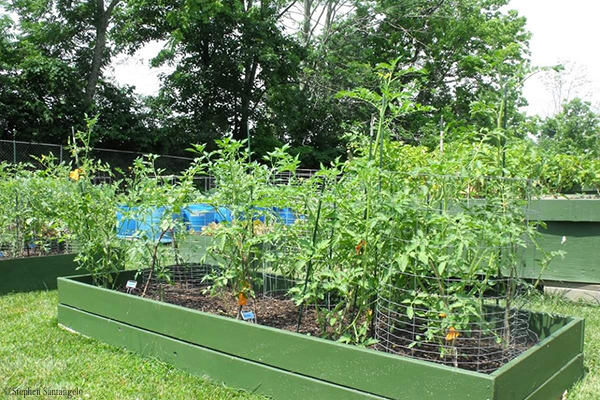
It’s a brand new day, filled with so much hope. We have a new administration, expressing a multitude of positive and inspirational words of wisdom and transformative goals, as well as outlining the steps forward that will lead us toward the achievement of these goals. It all begins with each of us participating. 

Continue reading “We All Need to Plant Our Own Vegetables for Climate”

A Nation That Destroys Its Soil Destroys Itself — FDR

Washington (GGM) Analysis | May 9, 2021 by author Noreen Wise

Soil and dirt are not the same thing, according to geologist and author David R. Montgomery. Dark brown soil is life, teaming with microbes, the engineers of all the nature that flourishes above ground. Microbe rich soil contains major amounts of carbon and moisture. Soil is the very thing that sustains our existence on the planet. 

Continue reading “A Nation That Destroys Its Soil Destroys Itself — FDR”

Keystone Pipeline Closure Means Less Toxic Oil Spills

Washington (GGM) Analysis | March 27, 2021 by Michael Wells

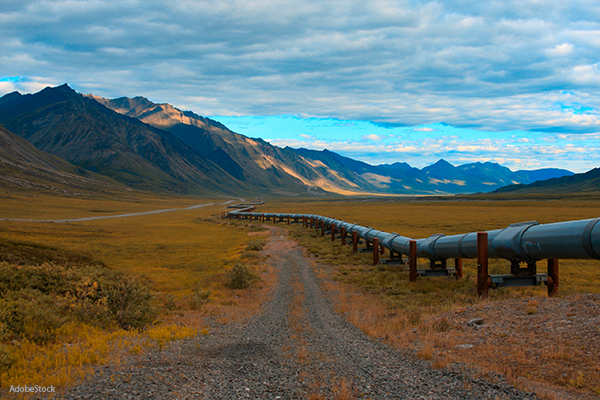
The average person not well versed on the policy and science surrounding the Keystone Pipeline likely knows it is over 1,000 miles long running from Alberta, Canada to Nebraska, and it frequently spills. It takes no more knowledge than these two facts to realize the Keystone Pipeline has always been a problem, and its closure benefits the world. 

Continue reading “Keystone Pipeline Closure Means Less Toxic Oil Spills”

Worse than Snakes and Alligators: Florida’s Toxic Algae Blooms Spell Death

Washington (ONGC) Analysis | March 20, 2021 by Michael Wells

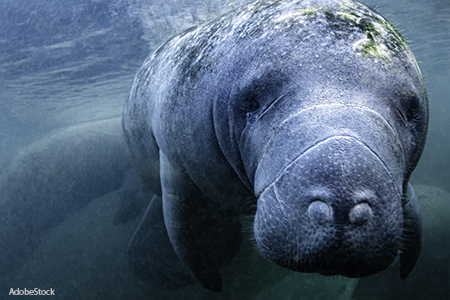
All this time people believed Florida’s snakes and alligators might kill them, when, in reality, the toxic algae blooms are the real threat. For two decades, Florida has struggled to control blue green algae that periodically covers the bottom of Lake Okeechobee, which threatens the state’s tourist industry as well as the once pristine coastline and waters. The blooms are fueled by phosphorus, a key ingredient in fertilizers used on nearby farms and ranches in Orlando and Kissimmee. The algae has killed millions of fish, hundreds of manatees, and it causes ALS and Alzheimers and even death in people. The algae is only getting worse, in particular since 2016, and climate change exacerbates the problem.  

Continue reading “Worse than Snakes and Alligators: Florida’s Toxic Algae Blooms Spell Death”

Hanford Superfund Site, Part 2: Worry About It for 24,100 Years

Washington (ONGC) Analysis | March 13, 2021 by Attorney Michael Wells

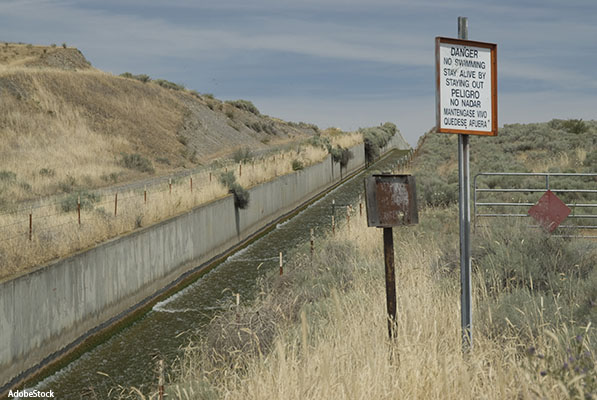
Do you ever think about the vastness of space? Or do you ponder if the universe never ends and is expanding for eternity? On a more personal level, perhaps Earth will be destroyed by an exploding star one day. Maybe you worry about such things, but here on Earth there are known threats, namely the Hanford Superfund Site that will be a problem for possibly 24,100 years, which is the half-life of Plutonium contained on the site, the source of Plutonium used to make the atom bomb dropped on Nagasaki that ended World War II. And the Hanford site is filled with Plutonium, which is buried in 177 storage tanks within sight of the Columbia River.

Continue reading “Hanford Superfund Site, Part 2: Worry About It for 24,100 Years”

Paper Towel Alternative!

Washington (CAR) Analysis | March 5, 2021 by Pamela Scaiff (Canadian)

When was the last time you reached for a paper towel to clean up a mess?  Has COVID got you using more? How much do you pay for paper towels each week?  Each month?  Each year?  Or in a lifetime?  Do the personal finance math and then the ecological math and you may find yourself questioning whether paper towels really add quality to your life!  Did you know that Americans use more paper towels per capita daily than either of their neighbours?!

Continue reading “Paper Towel Alternative!”

Hanford Superfund Site: An American Chernobyl Waiting to Happen

Washington (ONGC) Analysis | March 4, 2021 by Attorney Michael Wells

Before COVID-19 hit some Americans probably believed a magic forcefield shielded the country from events other less fortunate nations endured. Not anymore. In the fall of 2019, critics scoffed after watching the hit Netflix show, Cherynobyl, that Cherynobyl could not happen in the United States because Americans would be too well prepared. The Hanford Superfund nuclear site in Washington state has 56 million gallons of waste from plutonium, will take 50 years to clean up, and has caused cancer, dementia, and death. Ronan Farrow called it in a 2016 article, “an American Chernobyl.”

Continue reading “Hanford Superfund Site: An American Chernobyl Waiting to Happen”