Tag: Climate Crisis

EV Cars Are Finally Making Traction in U.S. | A Decade Later

Washington (Gallant Gold Media Hill Report | Analysis | August 19, 2019)
NoreenByLine by Noreen Wise

It’s exciting to see EV cars suddenly begin taking off similar to the way the iPhone did a decade ago. The iPhone’s first release was June 29, 2007, with sales of 1.39 million units worldwide. Sales leaped to 11.63 million units sold within one short year. And by the five year mark, 2011, Apple pulled off a stunning success of 72.29 million units. Although EV car sales haven’t seen the same immediate sustained sales success as the iPhone, mostly because of the initial high price, short range, and no charging station infrastructure, now that those issues have all been addressed, the tide will change.

Key Improvements that are giving EV cars traction with American public:

  • Price has come down dramatically, several start at only $30,000
  • Range has increased substantially (can now drive up to 200 miles on one charge); the range will continue to grow
  • Charging stations are popping up all over the country
  • It now only takes 20 minutes to recharge a BEV
  • Many employers now have charging stations in the employee parking lot
  • EV drivers will save approximately $1,000 a year not buying gas, possibly more

In 2018, Americans purchased 361,3017 EV cars out of a worldwide total sales of 2,018,247. (U.S. sales in 2009 were a paltry 6,000.) Norway has had remarkable success selling EV cars with 40 – 58% of the population already owning an EV, with the expectation that as soon as 2025 100% of Norwegian driving public will own an EV.

Screen Shot 2019-08-19 at 4.15.51 PM.png

China sales have picked up substantially, driving global success. In 2018, the chinese purchased 1.1 million EVs.

The 10 best selling EVs in U.S. in 2019:

10. Smart EQ fortwo – 496 units sold in 2019
9. Jaguar I-Pace – 1,309
8. Audi e-tron – 1,835
7. Volkswagon e-Golf – 1,893
6. BMW i3 – 2,207
5. Nisson Leaf – 6,008
4. Tesla Model S – 7,225
3. Chevrolet Bolt EV – 8,281
2. Tesla Model X – 9,000
1. Tesla Model 3 – 67,650

Screen Shot 2019-08-19 at 4.12.25 PM.png

2018 was an amazing year for EV sales, with fall of course being the biggest sales months as new models roll off the production line. Based on June 2019’s strength, nearly matching November 2018, it looks like 2019 will be a record year.

Let’s GO! Let’s beat China!

© Copyright 2018 – 2019. ALL Rights Reserved.
GallantGreenSmileGold-75

ST-SAGA-CovFrnt-72-350

What is Carbon Sink? | Climate Crisis

Washington (Gallant Gold Media Hill Report | Perspective | August 1, 2019)
NoreenProfilePicHillReport-75 by Noreen Wise

It’s important to learn as much about carbon as swiftly as possible so we can turn the corner and begin to reverse decades of excesses that have led to our current climate crisis.

Understanding carbon sink is a significant first step. Carbon sink is the process by which carbon in the atmosphere is removed and safely stored, reducing the overall amount of carbon in the air. Thus, carbon sink is vitally important.

There are 3 natural carbon sinks. All 3, store more carbon than they release:

  • plants, trees & forests
  • soil
  • ocean

Some scientists work to find ways to increase the amount of carbon that nature can absorb. For example, soil. Organic farmers plant cover crops in order to allow more carbon storage, because it locks in the carbon. Cover crops keep the carbon away from microbes that convert the stored carbon to carbon dioxide.

Oceans can sequester (“sink”) up to 50% of the carbon in the air. However, when oceans store too much carbon, like it’s doing now, the water heats up and melts the glaciers from underneath causing the water levels to rise. Warmer water, and more of it, results in much bigger and fiercer storms, as we have experienced in the past five years.

Screen Shot 2019-08-01 at 5.36.17 PM.png

Forests store 14% of atmospheric carbon, much lower than the ocean’s sequestration. This explains why there are so many urgent cries for us to plant more trees. Planting trees is very simple and easy, adding not only more carbon storage capacity, but amazing  beauty and an environ that supports animal life.

Screen Shot 2019-08-01 at 5.37.27 PM.png

Oceans should no longer be a focus for carbon sink, rather we must target planting more trees and and cover crops.

We can do this!

© Copyright 2018 – 2020. ALL Rights Reserved.
GallantLogoNWST-75

ST-Saga-CovFrnt-72dpi-300


Focusing On Small Things | Climate Action Success

Washington (Gallant Gold Media Hill Report | Analysis | July 30, 2019)
NoreenProfilePicHillReport-75 by Noreen Wise

Succeeding at substantial climate action in the shortest period of time is an absolute imperative. However, we’re never going to reach our carbon targets if we promote the required changes using intimidating long-range objectives as the key selling points for executing the Climate Action strategy.

Clearly, many of our political leaders care deeply about the intense climate crisis and want us to know about the dire consequences if we don’t act quickly. They feel passionately about this looming catastrophe. Their tireless commitment to the Climate Crisis is heroic and noble.

But, in order for the general public to make the necessary changes we must break everything down into small simple weekly steps that can be executed immediately:

  • Call local Solar Energy companies and ask about promotions for switching. Search online for all those with solar sharing about how low their energy bill is. (Solar is MUCH less expensive than electric or gas and oil). Deadline, Friday August 2, 2019.
    Screen Shot 2019-07-30 at 4.25.04 PM.png
  • Call town hall and ask about the city’s plan for switching to solar panels for street lighting, solar panels on town buildings, and electric buses. While on the phone, suggest apiary bus stops (planting flowers and greenery on the roofs of bus shelters for bees and other pollinators to visit ). Cities in general need far more green downtown. Mrs can simply invest in rooftop gardens. Others can add to sidewalks along the streets. Deadline, Friday August 2, 2019.
  • Stop by car dealership and ask about deals for Hybrids and EVs. It’s absolutely incredible how far the price has come down. Take a test drive. Deadline, Sunday August 4, 2019.
  • When grocery shopping, grab the almond milk instead of regular milk. Choose chicken or turkey rather than red meat.  Deadline, Sunday August 4, 2019.
  • Do all errands on the same day. ONLY use re-usable bags.
  • At dinner each night, talk with family about trees and gardening and where to plant more trees.  How to care for the trees you’ll plant. Where to buy the trees. What kind of trees. Trees are a great way to build strong family ties. Trees nurture our children when they take good care of them. Trees become part of the family. As children grow, they return home and marvel at the tree height, and the sprawling branches and subliminally identify that they have grown taller and ar branching out just like the tree.

None of these small tasks are difficult. Or time-consuming. They are not expensive.  There are very few excuses for why we can’t do each this week, versus next week. The Climate Crisis DEMANDS we each, every last one of us, immediately execute all of these.

Good luck… Have fun!

Screen Shot 2019-07-30 at 4.11.39 PM.png

© Copyright 2018 – 2020. ALL Rights Reserved.
GallantLogoNWST-75

ST-Saga-CovFrnt-72dpi-300


Civilization-Destroying Droughts | Farmers & Climate Action

Washington (Gallant Gold Media Hill Report | Analysis | July 27, 2019)
NoreenByLine by Noreen Wise

Farmers have a vested interest in cutting carbon emissions at breakneck speed, and are currently striving to make that happen.

The United States has experienced several intense droughts, spanning entire decades, that have uprooted entire communities, leaving ghost towns in their wake. The most recent drought plagued devastation was across the great plains in the 1930’s, termed the “Great Dust Bowl.”  This heart wrenching era altered America’s DNA forever:

  • There were only 127 million American at the time
  • 100 million acres were impacted, with no farming for ten years
  • 2.5 million Americans had to relocate hundreds of miles away… 300,000 relocated to California
  • 2 million became homeless
  • 6,500 people died in one year, and it’s expected that each of the ten years was similar
  • Generally, food prices go up sharply during droughts unless the government can step in with aid

Screen Shot 2019-07-28 at 12.54.34 AM.png

If carbon emissions continue to rise unchecked, the United States will face the existential threat of extreme droughts in the not so distant future. Farmers can look to the past, to guide them into quick action today and prevent the horrors of the past. It’s an epic opportunity.

Further, farms are major carbon emitters. If the agriculture industry can swiftly shift into new technology and updated methods, by moving away from fossil fuels, the world will be rewarded with strategic benefits at a critical, planet-saving turning point in our fight against carbon emissions.

Screen Shot 2019-07-28 at 12.55.45 AM.png

5 Simple Changes farmers can make today, to prevent future annihilation tomorrow.

(1) Wind turbines & solar panels are ideal on farmland. Wind turbines can be installed in the same fields as the crops. The elevation enables the same quantity of crops to be grown below. The farmer is benefited by a duo harvest, energy and crops, substantially increasing the revenue generated from the same acres. Many farmers have begun placing solar panels on acres laying fallow for a year to regain nutrients, resulting in all land generating income all the time.

(2) Rethinking irrigation. Current irrigation methods use extensive amounts of fuel, and water. The new green methods will conserve water as well requires less energy, and preferably no fossil fuels at all.

(3) Soil health to increase carbon sequestration. Carbon is pulled from the air and stored in soil and water. In fact, soil stores 40% of the carbon. Soil can store more carbon if the carbon has more to feed on. Farmers are being advised to treat the soil with special compost, and planting cover crops that foster more bacteria and fungi and bacteria, as well as protozoa, etc.

(4) Increasing the amount of green on a farm by planting trees, and shrubs, forest vegetation and hedgerows. The increased green will store more carbon, further reducing the amount in the air.

(5) Managing cattle to a new higher green standard, with an awareness that cows are responsible for 15% of the global carbon level. Manure lagoons are a major culprit as well as anaerobic decomposition.

Screen Shot 2019-07-28 at 12.55.10 AM.png

Let’s make it happen!

© Copyright 2018 – 2020. ALL Rights Reserved.
GallantLogoNWST-75

ST-Saga-CovFrnt-72dpi-300

Weather Weaponization | Climate Change Deluges

Washington (Gallant Gold Media Hill Report | Analysis | July 11, 2019)
NoreenProfilePicHillReport-75 by Noreen Wise  

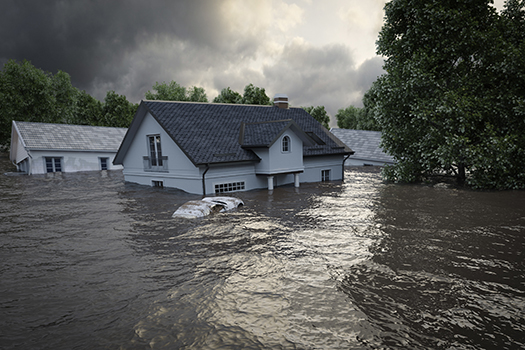
The new normal of weekly rain deluges is directly correlated to the melting polar ice sheets. The fact that these rain and snow torrents are now so consistent and prevalent, serve as a steady reminder of how urgent the climate crisis is, and how essential climate action must become in our daily choices and habits.

The increased moisture in the air, which has resulted in terrifying “weather bombs,” arises from the warming oceans that melt the polar ice sheets.

Screen Shot 2019-07-11 at 2.27.11 PM.png

Dark blue ocean waters store heat from the sun, causing ocean temperatures to rise, triggering the increased atmospheric moisture and the damaging weather bombs. Whereas massive white polar ice sheets deflect the sun’s heat… so as these polar sheets melt, the balance between the amount of dark blue heat-absorbing water to white sun-reflecting sheets shifts, and moisture in the air increases, triggering an influx of deluges.


Understanding the science behind this life-threatening phenomenon
, is very effective motivation in accelerating our personal shift to non fossil fuel sustainable energy.

Over the July 4th holiday, driving through the mountains, the skies opened and dumped a blinding amount of rain on the packed lanes of traffic. It was maddening that at that precise moment, I just happened to be next to an “Extra Wide Load” (truck carrying a mobile home) on a curve along a pothole strewn interstate highway high atop a mountain. Crazy. No place to take cover. Windshield wipers that couldn’t keep up. A flash of awareness overcame me, and I could see so clearly that something significant has changed and driving in these conditions was exceedingly dangerous.

Further down the highway, there had been a massive accident that shut down all three lanes. We had to stay parked for two hours while they cleared the wreck. The two events seem connected, but may not have been.

HillReport7-11-2019a.jpg

Individual #ClimateAction is both a moral imperative as well as a personal daily checklist. Everyone of us on earth, needs to aim for a personal carbon footprint of only 3 metric tons annually. Currently, most Americans hover around 15.5 metric tons, while there are many that cruise along at 23 metric tons.

Climate Change Expert  Dr. Joseph Romm, an MIT alumni, has organized Climate Action choices into four categories:

  • Transportation: make the switch to Hybrid or EV autos; public transportation, walk, scooter, ride bikes
  • Home:  go solar, LED lightbulbs, turn out lights when leaving a room
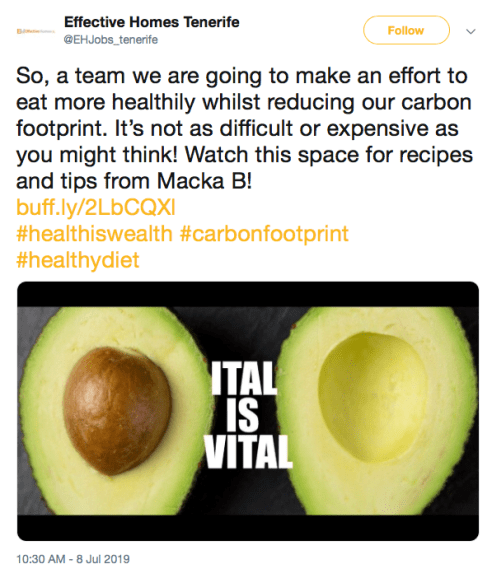
  • Diet: change our eating habits, red meat & dairy increase our carbon footprint
  • Stuff: buying, storing and carting around “stuff”

The #ClimateCrisis warnings are everywhere. Deluges are universal, striking every town, state and country. The ONLY way to alter the current climate change trajectory is to tackle all four of these climate action categories as quickly as possible. Good luck, we can do this!

© Copyright 2018 – 2020. ALL Rights Reserved.
GallantLogoNWST-75

ST-Saga-CovFrnt-72dpi-300


EMERGENCY | Curbing Personal Carbon Footprint, 4 Key Areas to Nail

Washington (GGM) Analysis | July 8, 2019
NoreenProfilePicHillReport-75 by Noreen Wise

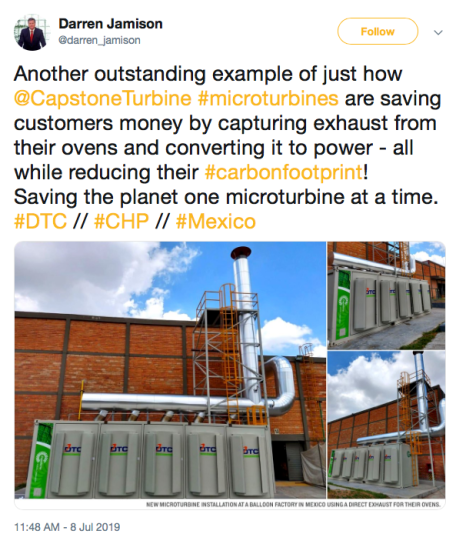
Climate expert Dr. Joseph Romm has made carbon reduction super easy for all of us by organizing our decision making into four manageable categories.

The only way for the United States to SAVE our East Coast landscape – our beautiful, fabulous cities and all the homes, businesses and assets contained within – is to RUSH on minimizing our individual carbon footprints by taking advantage of numerous  green solutions under each category.

  1. HOME: one of the easiest and fastest ways to cut carbon.
    • Solar Panels: take advantage of one of the many offers being floated in 2019 where the Solar Energy provider will install solar panels with no $ down.
    • Replace all lightbulbs: all traditional lightbulbs in the home should be replaced with either LEDs, halogen incandescents, or compact fluorescent lamps. These cost more, but they last 3-25% longer, so we’ll save money in the long run.
    • Turn Off Lights: so basic, turn off lights whenever we leave a room.
    • Buy Smaller House (if moving): it’s no longer cool to have a huge house. The new life-saving logic is to have a smaller home with more land, beautiful gardens, and plant as many trees as possible.
    • Use cold water for laundry: washing clothes uses a lot of water, warming water wastes energy. Get used to cold for washing whites. New normal.
  2. TRANSPORTATION: Hybrids and EV options have been transformed in just a few short years. Much longer range. Super fast charge. Many more charging stations. More affordable. One of these must be on our list when we replace existing cars.
    • Hybrid: prices have come down and range is up to 280 MPG.
    • EV: Significant price reduction, with one model as low as $30,000, range is now at 200 MPG.
    • Walk, Bike, Scooter, Public Transportation, Carpool: Attend monthly Town Legislation meetings and work to get walking/bike trails set-up maintained.
    • Run all errands at same time: awareness of who our actions impact the survival of other people will make us more organized about how we time manage simple things like grocery shopping and going to bank.
  3. DIET: surprisingly, cows add as much carbon to environment as fossil fuels.
    • Switch to white meat & fish: turkey  & chicken, etc.
    • Minimize dairy: this may also cure several health conditions that stem from high levels of antibiotics and pesticides found in dairy.
    • Vegan: finding the right protein is a climate solution. Beans, lentils, eggs.
  4. STUFF: Stuff we buy, Stuff we cart around, Stuff we store. Who knew that our “stuff,” particularly the vast accumulation and management of, is a significant factor in global warming.
    • Carting around stuff, results in buying larger cars than necessary.
    • Buying more stuff than we need or can possibly use, results in buying a larger house that uses more energy
    • There’s substantial carbon emissions involved in the manufacturing and transporting of stuff.
    • American consumerism has been a global frustration since the 1980’s.

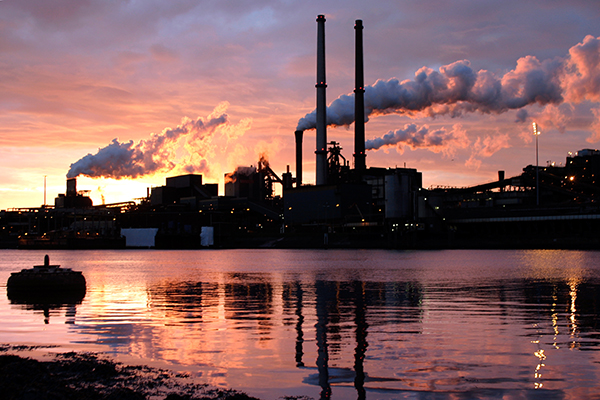
In 2019, America’s population is only 4.6% of global total, however we are now ranked #1 in carbon emissions. We are responsible for the deaths of thousands. Let’s jump on this so we can save lives and save our country as well as the world.

Screen Shot 2019-07-08 at 2.57.01 PM.png

Screen Shot 2019-07-08 at 2.55.12 PM.png

© Copyright 2018 – 2020. ALL Rights Reserved.
GallantLogoNWST-75

ST-Saga-CovFrnt-72dpi-300


Exxon In Pitched Battle With the World

Washington (Gallant Gold Media Hill Report | Analysis | June 7, 2019)
NoreenByLine by Noreen Wise

A growing number of world leaders, and state attorney generals, are taking off their gloves and flexing their muscles in an effort to drive home the point with Exxon that they aren’t backing down. In fact, they plan to ramp up their resolve, and persevere through to the next level and pry the appropriate climate action commitment from Exxon. Not only that, the world’s prepared to continue bringing charges against Exxon for climate fraud.

ExxonMobile Corp is the world’s largest publicly traded oil company. Back in 2015, during the build up to the 2016 presidential election,  documents leaked revealing that Exxon had intentionally kicked off a misinformation campaign for the purpose of undermining climate science in the hopes it would steer decision makers to continue with the massive use of oil for automobiles and energy. Since the 1970’s, Exxon has known that oil production causes global warming and has continued to mislead consumers, failing to warn of the hazards.

Now, 40 years later, we see Exxon’s misinformation campaign worked. Carbon levels have risen significantly – 335 PPM to 415 PPM. Thousands of innocent people have died as a result.

Screen Shot 2019-06-07 at 12.03.09 AM.png

The state Attorney General’ who have and/or will be filing climate fraud charges against Exxon:

  • Massachusetts
  • New York
  • Rhode Island
  • Washington DC – tentative

Foreign Nations are leveling penalties against Exxon through the European Parliament.

© Copyright 2018 – 2020. ALL Rights Reserved.
GallantLogoNWST-75

ST-Saga-CovFrnt-72dpi-300

Will Exxon Shareholders Revolt on May 29? | Climate Action

Washington (Gallant Gold Media Hill Report | Perspective | May 28, 2019)
NoreenByLine by Noreen Wise

Several large Exxon shareholders demanded that a climate proposal be included on the ballot for the 2019 annual meeting to be held on Wednesday, May 29, but Exxon failed to comply.

The Church of England, and New York State Common Retirement Fund led by Thomas DiNapoli, the New York State Comptroller, initiated a proxy fight against the Exxon directors on Friday, May 3, claiming that Exxon’s “inadequate response to climate change constitutes a serious failure of corporate governance.”

The band of pro climate action Exxon shareholders, are aligned with Climate Action 100+, a group of investors who command $32 trillion in assets and are using their strength to leverage change amongst resistant companies like Exxon. They asked fellow Exxon shareholders to vote against all existing Exxon directors at Wednesday’s annual meeting.

Of particular concern, is that Exxon competitors are creating effective climate action game plans that curb carbon emissions for this notoriously irresponsible industry. For example:

  • BP Plc
  • Chevron
  • Royal Dutch Shell Inc
  • Total SA

Will the dawning of Wednesday May 29, 2019, when Exxon finds itself with their back against the wall in Houston, TX, prove to be the much needed turning point for the US fossil fuel mega corporations, who have been the main drivers in global warming across the globe for more than three decades? We’ll soon find out.

Screen Shot 2019-05-28 at 10.43.57 PM.png

© Copyright 2018 – 2019. ALL Rights Reserved.
GallantGreenSmileGold-75