Washington (GGM) Analysis | February 12, 2020 by Michael Wells
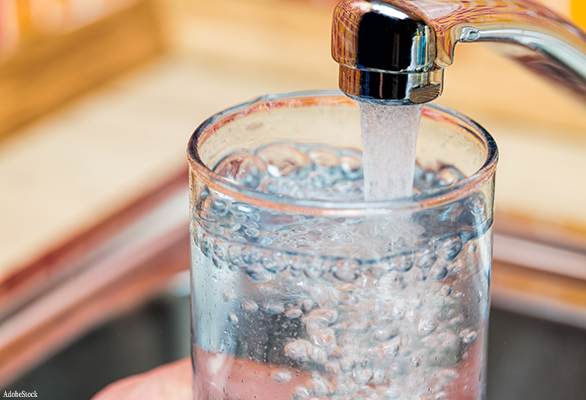
Drinking poisonous water leads to cancer and other things that will kill you. Everyone knows that, but what if you do not know you are drinking water contaminated with poison? Surely such a thing cannot happen. Laws and regulations exist, and the government protects people. Unless the government knew about the poisonous water and covered it up for decades. If you doubt this, then ask the possibly one-million people who drank the poisonous water surrounding the Camp LeJeune superfund site. Or at least you can ask the ones who were not killed.
Washington (ONGC) Analysis | January 29, 2021 by Michael Wells
All organic life requires air, water, a place to exist, and a food source. But all of these things must be clean or there cannot be life, at least not long term. Throughout the United States, thousands of ticking environmental “timebombs” called Superfund sites are ready to explode. The poisons and other pollutants contained in these sites threaten all organic life in the United States and throughout the Earth.
Washington (GGM) Analysis |December 19, 2020 by Catherine Zacuto, M. Ed.
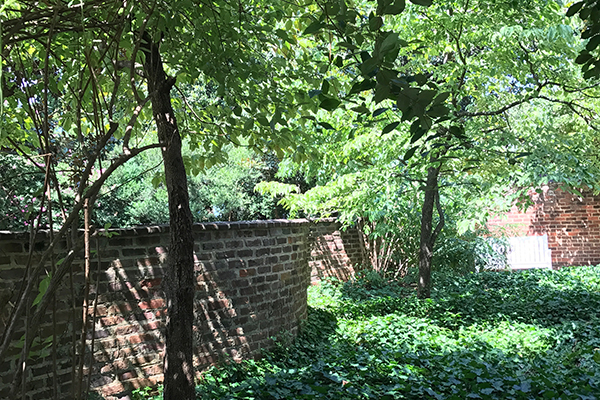
Wandering through a wooded park or along a shady path, it’s easy to miss what’s right before our eyes. How often do we consider the gifts before us, planted long ago? The cool breeze and fresh fragrance are momentary experiences that began with the planting of seeds. No matter how the trees, shrubs, and understory got there, whether through nature or a particular person, you and I are the beneficiaries.
Washington (GGM) Analysis | December 18, 2020 by Noreen Wise
The planet will keep revolving around the sun, no matter how destructive and irresponsible humans are. But we humans won’t. Humans are mammals. Mammals rely on our habitat to survive. And mammals eventually become extinct when our habitat disappears. Eighty mammals have gone extinct in the past five centuries.
Washington (GGM) Analysis |December 12, 2020 by Noreen Wise
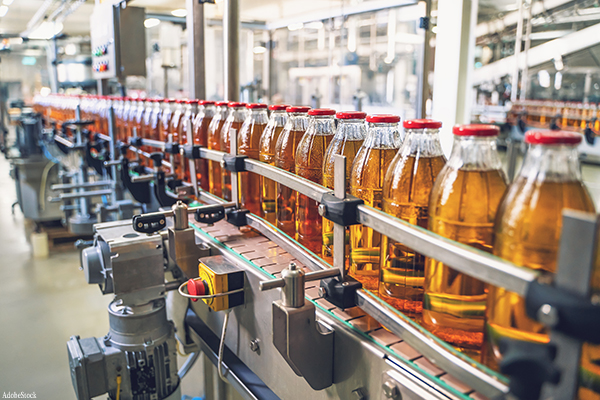
My obsession with glass packaging is based on the fact that we as individuals and families can easily make a difference in curbing plastic waste through our product choices. We saw during the 2020 presidential election, the power that 80 million people acting in unison hold, and the positive influence it has on society. Let’s keep going and use this same force to unleash significant action on climate action. All that’s required is that we’re more aware of what brands we select and how our selections impact the decision making at each corporation.
Washington (GGM) Analysis | November 5, 2020 by Sarah J. Kings
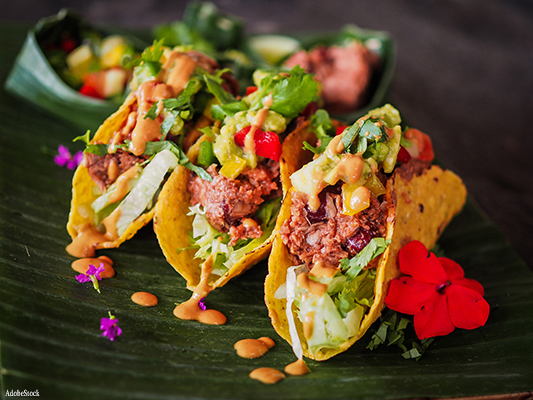
Meati Foods is a Colorado based vegan startup, and their food is amazing! This plant based meal option is cruelty free and unbelievably sustainable. Each serving of their Meati Chick’n is packed with healthy fiber and 16 grams of complete protein. There is nothing “fake” about this alternative meat either. Believe it their food is made from fungi. The company’s slogan is “funging delicious!” With absolutely zero fat and cholesterol, and plenty of vitamins and minerals, Meati Foods is a no brainer.
Washington (GGM) Analysis | November 4, 2020 by Michael Wells, Attorney @slnc01
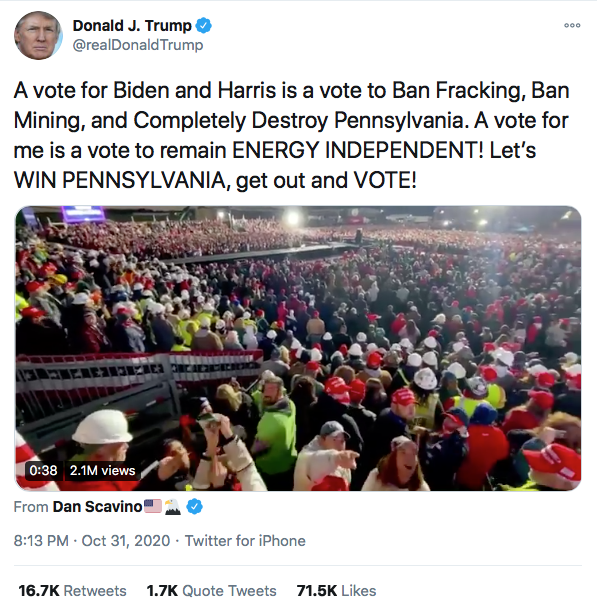
Former Vice President Joe Biden and President Donald Trump are locked in a tight battle for the presidency, which may come down to Pennsylvania. Big coal and facking employ many people in Pennsylvania, and, understandably, fracking is a huge issue. All the votes have been cast and are being counted, but the Pennsylvania race (and possibly the presidency) may come down to the issue of fracking. The two candidates’ positions are more similar than you may think.
Hydraulic fracturing (fracking) is a technique for extracting oil and natural gas by firing pressurized liquid into the Earth’s crust. Trump has long supported the practice and has even signed an Executive Order to protect fracking. Biden’s position has been to say he will not ban fracking, but that he will look towards alternative fuel sources, perhaps in an effort to win key states such as Pennsylvania, Michigan, and Ohio (which he appears to have lost). One indication of how important this issue is in Pennsylvania can be gleaned from Vice Presidential Kamala Harris’s October 6, 2020 tweet:
While Biden and Harris must appeal to the Green New Deal part of the Democratic Party, they must also win key states such as Pennsylvania, which rely heavily on fracking. To what extent this is just politics, remains to be seen, but, given what appears to be a Repulican Senate, legislation to ban or limit fracking does not appear possible. This means this dangerous practice will continue.
According to an article from Euronews, fracking poses a number of environmental hazards:
Methane leaks occur frequently to the tune of one million tons in Pennsylvania per year. The industry only reported 64,000 tons.
Methane and other gasses released through fracking are a problem because they trap twenty-five more times heat in the atmosphere than carbon dioxide.
Fracking pollutes the groundwater supply, which can cause cancer.
From a legal standpoint, the pollution issues pose millions in liability for companies that are not careful. Quite frankly, even if these companies are careful, the risk is quite high. Although not the result of fracking, Flynt, Michigan is a cautionary tale as to what happens when drinking water is contaminated.
Fracking does supply jobs, upwards of ten million nationally, but, if Biden wins, his energy plan will likely aim to rejoin the Paris Agreement. It is unclear whether fracking as it stands in the United States would violate or otherwise cause problems with the agreement.
Biden has said he opposes fracking on public lands, but it is unclear what exactly this means. Even if Biden were to oppose fracking altogether, it is unlikely he could get a bill limiting or banning it to pass the Senate due to the Republican majority.
Fracking’s future remains uncertain in the United States, but it does appear it is not going anywhere anytime soon even after the votes are counted and a victor declared.
Washington (GGM) Analysis | October 30, 2020 by Noreen Wise
Do bushes sequester carbon too? Is planting more shrubs as important as planting more trees in helping to lower atmospheric carbon levels and reverse global warming?
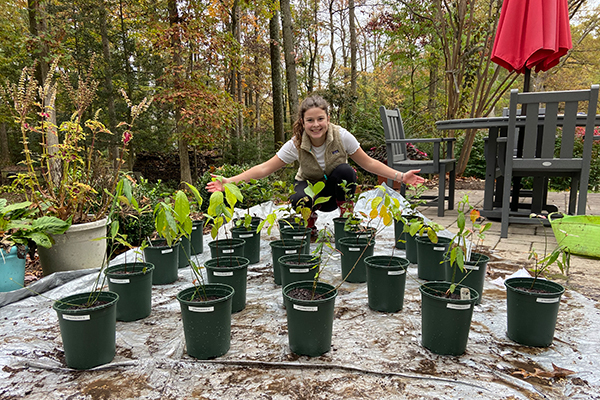
One student at W. T. Woodson High School in Fairfax, Virginia is determined to find out. Ninth grader Julia Victor has accepted the challenge to conduct her own science experiment for the upcoming Regeneron International Science and Engineering Fair and is busy mapping out the procedure she will follow to test how much carbon five species of Northern Virginia natives can absorb in comparison to one another.
The Regeneron ISEF has a wide range of categories, 21 in all, that 1800 participating students are selecting from. As a nature lover, Earth and Environmental Sciences was Julia’s top choice, which she quickly narrowed down to climate change. Julia asked herself questions about which NoVa natives might absorb the most carbon. She then spent time researching, and eventually arrived at her hypothesis: “I am hypothesizing that the holly tree will grow to be the largest and will absorb the most carbon. I also think that shrubs might not be far behind. I am hoping to be able to come to the conclusion that shrubs and smaller plants are just as important to reversing climate change as large trees.”
Julia will be implementing the following steps to test her hypothesis. All the plants will be kept in open containers.
Remove the soil and weigh each plant. Record each plant’s bare root weight (without soil).
If plants are not the same weight, trim each plant until they are approximately equal.
Plant each plant in its new container with 1 gallon of soil each. Label each container with the plant species.
Water each plant with 1 cup of water each.
Set up each plant’s light to a 12-hour timer to simulate the sun.
Water each plant regularly with its recommended amount of water.
After 25 days, remove all the soil from the bare roots from each plant and weigh.
An important science experiment like this one is challenging enough without there being an extra layer of difficulty. But, Julia isn’t daunted by the complications during the fall season. Julia explained, that there are far less species available for her to choose from this late in the year. Many NoVa natives are nearly dormant, so there’s far less photosynthesis, which means very little, if any, carbon absorption. But Julia persevered and unearthed several standouts she can rely on:
American Holly
Strawberry bush
Spicebush
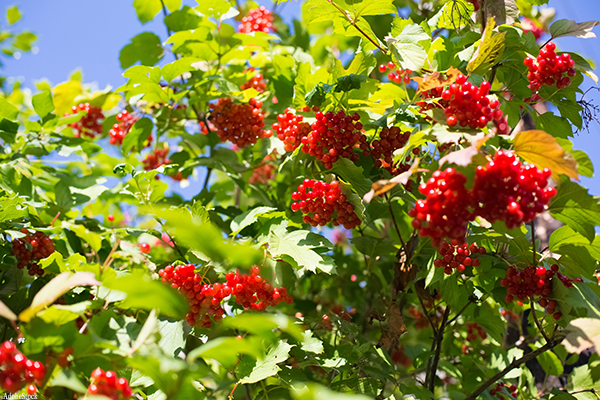
Arrowwood Viburnum
Black Chokeberry
We’ll be checking back with Julia in December to learn about the conclusions she drew once she completes her experiment, weighs each plant, and is able to identify the winning species that sequestered the most carbon. Julia will be managing a total of 25 small plants for her project.
This is a lot of extra work during a very challenging global pandemic. Julia began her freshman year with virtual learning, and appears to be very excited about having something she feels passionately about, nature and science, to keep her mind preoccupied in the midst of a health crisis. “This is my first time participating in the Regeneron ISEF and I’m excited to see everyone’s projects, especially during covid-19.”
I asked Julia how she keeps from feeling intimidated by such a challenging, high level competition. Her response was one that we could all apply to our own lives.
“These days, it’s very easy to get intimidated by projects and big assignments. I found that if I don’t think about it as an assignment, but rather as something I enjoy, then it becomes much easier to do get motivated by my curiosity.”
—
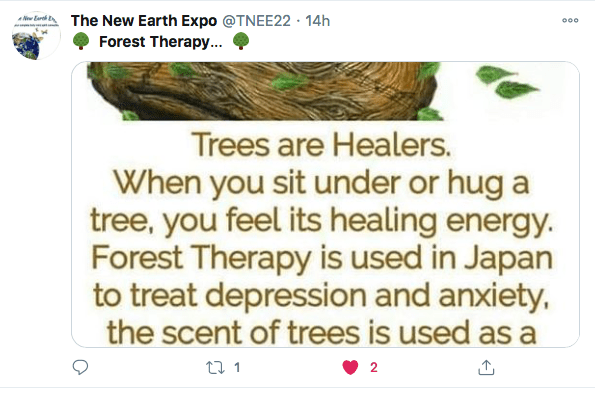
Nature is an exciting and therapeutic ally to help combat our daily challenges during covid. A major destresser, thanks to its beauty and healing scents, as well as the chemicals it emits that we humans respond to by releasing our own positive chemicals—serotonin for example. Nature is very responsive to human interaction, both positively and negatively. Humans and nature are connected through a symbiotic relationship. What we give is what we get. We see this with climate change of course, but it’s equally as powerful on the positive side of the coin. Nature nurtures. It comforts. Heals. Inspires. Supports. Motivates. Hanging out with nature makes us physically and emotionally stronger. It’s time to recognize this fact and act on it. Planting millions of trees and shrubs and flowers and all types of nature is an investment that pays us back exponentially. So, let’s get planting! If it’s too cold where you are right now, you can plant a seedling indoors in a container and leave inside until spring.
Washington (GGM) Analysis | October 23, 2020 by Noreen Wise
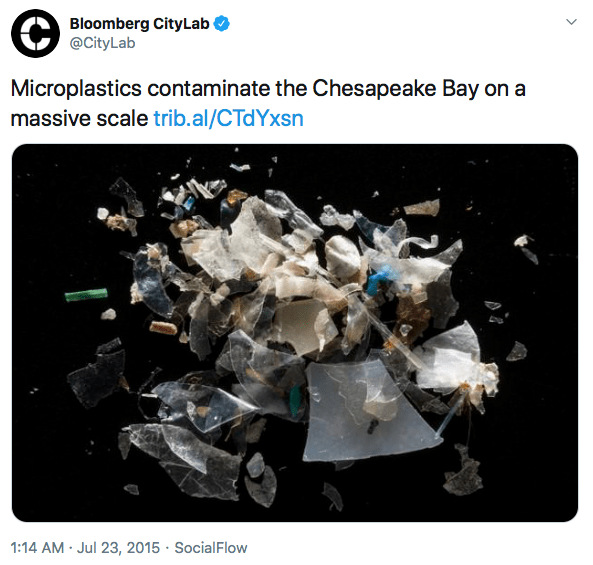
Microplastics have become an urgent health and environmental crisis. These tiny toxic particles are literally everywhere. In our water. In our food. And in our bodies. The five (5) millimeter flecks, smaller than an ant, are made up of broken down larger plastic objects such as water and soda bottles, single-use plastic bags, multiple everyday products that we don’t think twice about, cosmetics and toothpaste for example, even our synthetic clothes that shed tiny bits of plastic while churning around in our washing machine.
Back in September 2019, science blogger Kevin Dervishi spelled out in Harvard University’s Science in the News very clearly to readers, that each of us is a first responder in this alarming crisis. Every single one of us needs to rush to act. For many, the message fell on deaf ears, which has resulted in a continued path forward toward a looming catastrophe.
As gloomy as this may seem, a bright glimmer of hope shines through the dark clouds along the Chesapeake Bay in Northern Virginia. A youth conservation activist has been inspired and is responding to the urgent call to action. Carolyn Rohr, of Fairfax, VA, has stepped into the arena.
During Carolyn’s junior year of high school, she followed the advice of her AP environmental science teacher, and filled out an application for the Youth Conservation Leadership Institute in Fairfax County, VA. While involved in YCLI over the summer, Carolyn seized the opportunity to research the impact microplastics have on the environmental health of the Chesapeake Bay after she discovered that microplastics are Chesapeake Bay’s biggest pollutant. This jarring fact was significant. Chesapeake Bay is a watershed connected to six Mid-Atlantic states, as well as the entire population of Washington DC, and serves more than 18 million people. The majority of microplastic particles slip through filters and into our water supply.
Carolyn presented her findings to a group of more than 50 accomplished adults over a Saturday morning Green Breakfast webinar. She created a lesson plan for 7th graders that aligned with Fairfax County’s educational requirements and included multiple activities. Her polished presentation was very powerful, inspiring immediate action. Her lesson plan would certainly be a positive influence for the 7th grade population in Northern Virginia, as well as communities across the country, inspiring increased involvement in acting on eliminating as much plastic from their daily lives as possible by forming plastic-free habits and choices.
Carolyn explained that there are three main ways that microplastics enter the Chesapeake Bay:
Plastics in landfills
Littering
Products that go down the drain
She outlined that toothpaste is a great example of how easy it is to unwittingly pollute our own water supply. She noted that cosmetics are another everyday example. Multiple brands of both products, contain microbeads, the abrasive exfoliant that is the essential ingredient for these particular product lines.
Carloyn cautioned webinar viewers that these microplastic particles release toxic chemicals, as well as trick organisms living in the water into believing they’re full when they’re not, so they often starve to death, and that microplastics also become part of the food web process.
Most importantly, Carolyn supplied valuable insights about what each and every one of us can do to reduce the toxic plastic we’re consuming.
Reduce single-use plastics
Recycle properly
Refuse products that contain microbeads, which shouldn’t be too difficult since they’re now banned in all 50 states
Volunteer to help cleanup rivers and streams
Most importantly SPREAD THE WORD
When I asked Carolyn what examples she could provide for how to spread the word, she suggested: “Social media is a great way to spread the word and spark change, it’s one of the main reasons that microbeads are being outlawed in the US. Setting an example is another great way to not only spread the word, but also to encourage action. People learn from each other; the more people you see doing something the more likely you are to follow along, that’s probably why the save the turtles anti-straw trend was so huge a year or two ago. But it has since faded.”
This sounds wonderful. I’m all in on this!
Carolyn Rohr is a military brat, who was born in Jacksonville, NC and has lived in a diverse collection of cities across the globe, including Okinawa, Japan when she was a young and impressionable five year old. While in Okinawa, Carolyn and her family had a home close to the ocean, where she spent “a lot of time playing in the tide pools and looking at the interesting creatures.” Her family eventually settled in Northern Virginia where’s she’s lived for the past ten years. Carolyn spends most of her time outdoors, and often feels torn between her love of the ocean and her passion for the mountains. “I feel like I could spend my entire life in the mountains and I would be quite happy.”
As a high school senior, Carolyn is busy planning for her future. She is aiming for a dual major in Film and Marine Science and hopes to attend either University of Miami in Florida or University of Delaware, “Both schools have amazing Marine Science programs that I would love to be part of.”
Carolyn has a powerful message for all of us. “‘Only you can be the change you wish to see in the world.’ – Ghandi. The only way to see the microplastic problem disappear completely is to go out into your community and play an active role in fighting against it.”
Science blogger Kevin Dervishi’s ears must be burning. Young first responders are taking bold steps to help move us all in the right direction. The 18 million along the Chesapeake Bay are greatly benefited by Carolyn’s dedication and hard work to improve the health of our watershed. Let’s do our part by following her excellent advice.
Washington (GGM) Analysis | September 8, 2020 by Sarah J. Kings
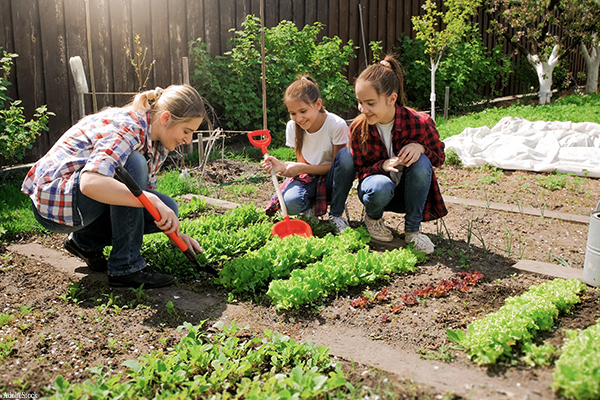
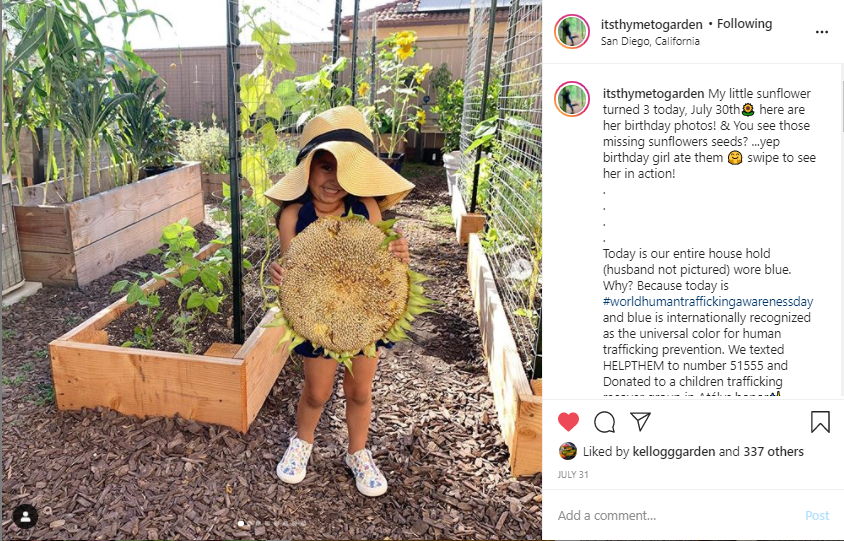
Creating a garden together helps families form long-lasting memories and allows each family member to explore the beautiful and bountiful side of Mother Nature. According to Reuters News, home gardening, seed sales, and community gardening have become very popular during the last few months. In an interview with Market Watch, Linda Look, owner of an Arkansas-based seed store, The Seed Guy, said that sales and demand were unprecedented this spring. “This year has been unique because of COVID-19,” she said.
Instagram- @itsthymetogarden
Those of you who have started gardening and composting with your kids this spring and summer might be wondering how to continue these comforting and joyful family moments in the fall season. Don’t fear, September and October aren’t just for Pumpkin Spice Lattes. In fact, there are plenty of delicious foods that thrive as the temperature drops, and experts say that fall is the perfect time to start composting!
Top 5 Foods to Plant This September
Spinach
Radishes
Carrots
Kale
Snow Peas
Swapping out your cucumbers and tomatoes with these veggies and leafy greens will help you keep up the conservation conversation all through the fall season!
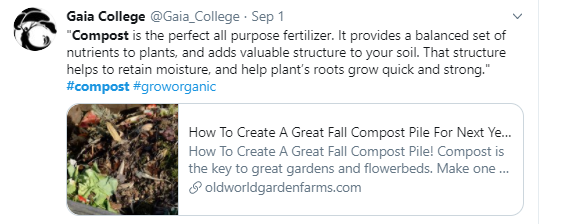
5 Steps to Make The Best Fall Compost Pile Ever
Collect your fall leaves
Collect the extras from your summer garden
Layer them with drying flowers, old tomato plants, & grass clippings
Reserve extra leaves in a separate pile & as a “brown layer” in between compostable kitchen food
Keep a tarp ready to protect your pile from getting soggy as the rain comes in
Twitter- @Gaia_College
So as September rolls into October and you sip your beloved Pumpkin Spice Latte, don’t let the golden and orange leaves fool you. You don’t have to say goodbye to your family garden. Switch up your produce, and teach your kids how to make the perfect fall compost pile. You will make wonderful memories, and your kids- and Mother Nature- will thank you!
Come back every Tuesday for more Eco-Friendly Parenting tips!








 Climate Action Report