Category: Nature

Protecting Our Water Supply this Spring | Beware of Lawn Fertilizer

Washington (GGM) Analysis | March 8, 2020

NWHillReport-Pic by Noreen Wise

After Trump’s recent roll back of Obama’s Clean Water Act, we have to be more mindful than ever of what we can do as individual citizens to be the stewards of our community water supply in the hopes that we can minimize the negative fallout now that these life-saving federal regulations have been repealed.

I feel traumatized by the horrible news that 60% of our waters will again be unprotected. Climate change has created a seemingly apocalyptic ripple effect from the fallout of the flooding and run off that occurs from the now regular rain bombs, as well as the threat of the new Category 6 hurricanes (not that the National Hurricane Center has officially added Category 6 to the Saffir-Simpson Scale, but recent Hurricane Dorian with winds of 185 mph that flattened the Bahamas, was so far off the charts there’s certainly been a fewa discussions about the need to do so).

Factor in the flooding of superfund sights alone, during this age of climate change, and the frightening consequences for future generations in the calamitous way that water pollutants cause birth defects. This reality is already rattling nerves and alarming homeowners close to these toxic sights. The unseen leaking of life-threatening pollutants  into ground water from buried storage tanks is certainly of grave concern, but all the more troubling is seeing the vacant wastelands flood and the damaging toxic waters flow through town drains as well as the surrounding nearby community property.

Farmland with pesticides and fertilizer is equally as concerning. Weather bombs know no borders. Heavy rains will spread these toxins for miles. They’re usually invisible, but the damage they cause humans is very tangible and physical.

HillReport3-8-2020a

So with these significant issues now plaguing American communities this spring 2020, and some states stepping in to protect its waters and passing much needed state regulations, we have to do our part too, after all, we’re the ones with the most to lose.

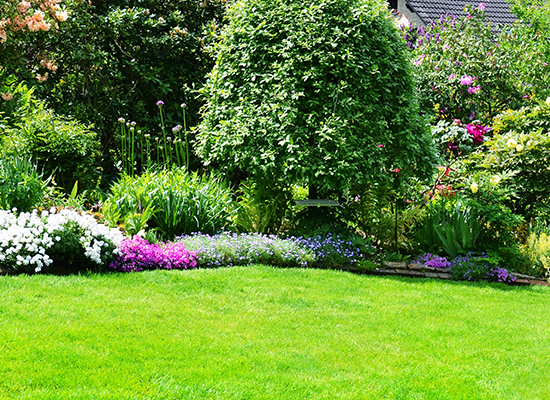
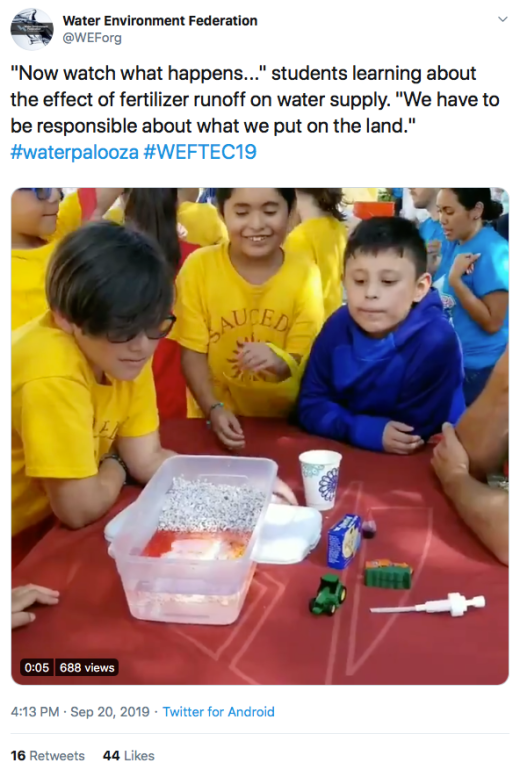
We love beautiful lawns, or course. And we likely use fertilizer to make sure our yards have the right nutrients to nurture our favorite flowers, shrubs and trees. However the ammonium nitrate found in most sterilizers, amongst other hazardous nutrients, are the very pollutants that may cause birth defects after running down the town drains during heavy spring rains.
HillReport3-8-2020b

Birth defects caused by the nitrates found in fertilizer:

  • spina bifida
  • cleft palate
  • missing limbs

Rules of thumb to avoid contaminating the town water supply?

  • home composting from food scraps that can be added to garden and yard soil
  • many town farmer’s markets now offer free compost
  • organic alternatives that are not water soluble like ammonium nitrate
  • don’t fertilize in the spring, wait until fall when there’s much less rain.

So let’s be more aware, and make a commitment to finding an alternative to fertilizing with heavy nutrients in the spring. We can do this!🌱


© Copyright 2018 – 2020. ALL Rights Reserved.
GallantLogoNWST-75

Powerful Impact of Meadows on Carbon Sink

Washington (GGM) Analysis | February 24, 2020 by Noreen Wise

Thousands of innovators across the globe are aggressively working to manufacture machines that will pull carbon out of the air and store it, or transform it into something useful. Recent news about Amazon committing $10B to combat climate change has created hope that some of these funds will be used to create innovative solutions such as carbon sequestration machines.

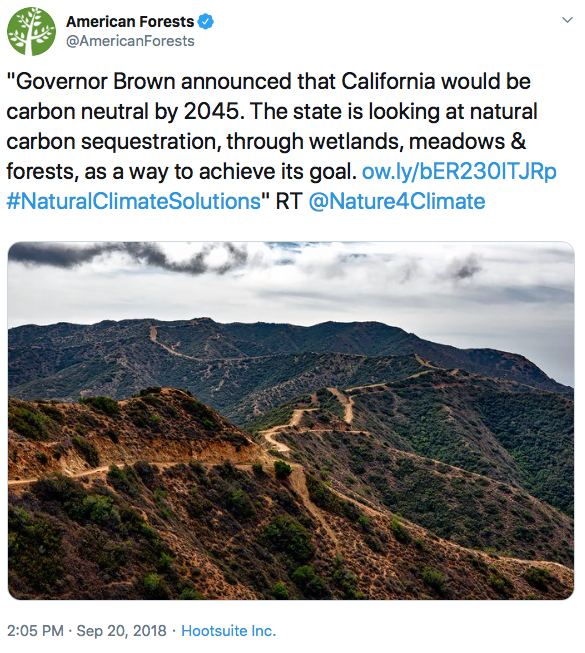
But we’re not there yet, so we have to maximize what’s currently at our disposal — nature.

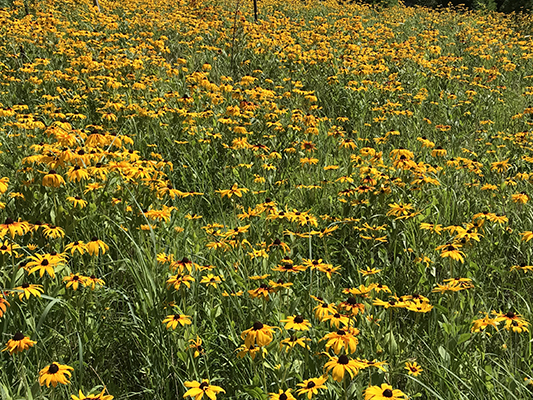
Planting trees is our number one priority.  But, equally as important are meadows. Expansive landscapes of open fields that contain a variety of plants enable the funneling of carbon into their roots and trapping it in the soil where it will be safely stashed even when the roots die.

According to the Scientific American on sustainability, “Carbon Off-Set Cowboys Let Their Grass Grow”:

“The best way to maximize the amount of carbon that gets trapped underground is to maximize grass growth.”

Screen Shot 2020-02-24 at 2.24.22 PM.png

The fact that so many different types of botanic species grow in a meadow, and their roots all intertwine underground, appears to be why meadows store more carbon than tall and bushy shrubs, although they take up a lot more land. Once carbon is trapped underground, fungi feed off it, and according to the Scientific American, fungi are often consumed by microbes and worms which stabilizes the carbon.

Screen Shot 2020-02-24 at 2.28.47 PM.png

The western half of the country, with it’s massive open terrain, has a huge opportunity to maximize this option and help the United States take giant steps forward in cutting carbon. Apparently, a cap & trade program that reward ranchers and land owners is already underway. According to Civil Eats, Indigo Ag, a Boston-based agtech company, has raised $600 million from investors to help farmers sink one trillion tons of carbon on their property. Farmers are paid $15 per metric ton of stored carbon.

It’s exciting to see that the economy that led to our stratospheric carbon emissions rate, can be used to turn the catastrophe around and inspire land owners to reach for an opportunity to reduce carbon just as quickly and significantly.🌱

© Copyright 2018 – 2021. ALL Rights Reserved.


So Many Beautiful & Exciting Possibilities | Cutting Carbon

Washington (GGM) Analysis | December 21, 2019
NoreenProfilePicHillReport-75 by Noreen Wise

“Flowers always make people better, happier, and more helpful; they are sunshine, food, and medicine to the soul.” ~Luther Burbank

And flowers cut carbon too! Flower boxes in the windows of our homes and businesses, and hanging baskets from street lights, will add yet another layer of nature to absorb carbon. We need as much help as we can get. It’s another exceptional tool in our climate action tool shed that will reap a wave of benefits, improving both our atmospheric carbon levels, and our quality of life.

Will flower boxes in the windows of the majority of homes and businesses increase property values? I guess we’ll find out as soon as we begin a window flower box campaign.

BrightSide-350SquarePocastLogo-NEWEST
PODCAST- daily conversation that focuses on how to turn negative circumstances into positives and land on the bright side.

According to BestLife, flowers:

  • Reduce stress
  • Elevate mood
  • Strengthen relationships
  • Increase memory
  • Certain flowers can help us fall asleep
  • Help us heal

ST-INST12-21-2019a

Not only do flowers absorb CO2, they’re also air purifiers, absorbing pollutants such as benzene, acetone, formaldehyde and trichloroethylene.

We can do this! Warm weather climates can begin today. The rest of us can begin planning today so we’re ready to spring into action as soon as the weather breaks. 🌺

HillReport12-21-2019a

© Copyright 2018 – 2020. ALL Rights Reserved.
GallantLogoNWST-75

Consumers Profit from Circular Economy

Washington (GGM) Analysis | December 16, 2019
NoreenProfilePicHillReport-75 by Noreen Wise

Finally, the era of consumer profit has arrived. We’ve certainly earned this ST-Saga-CovFrnt-72dpi-300
unexpected windfall after nearly two centuries of corporate greed destroying our hopes & dreams by restraining our financial ability to achieve them.

Now that our golden opportunity is upon us, let’s try and maximize the amazing possibilities so we can quickly increase our disposable income and apply this boost to health, education and long term goals.

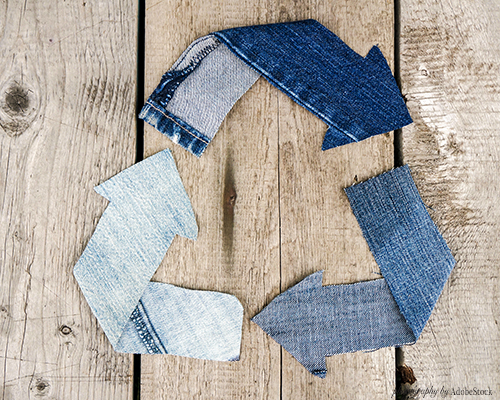
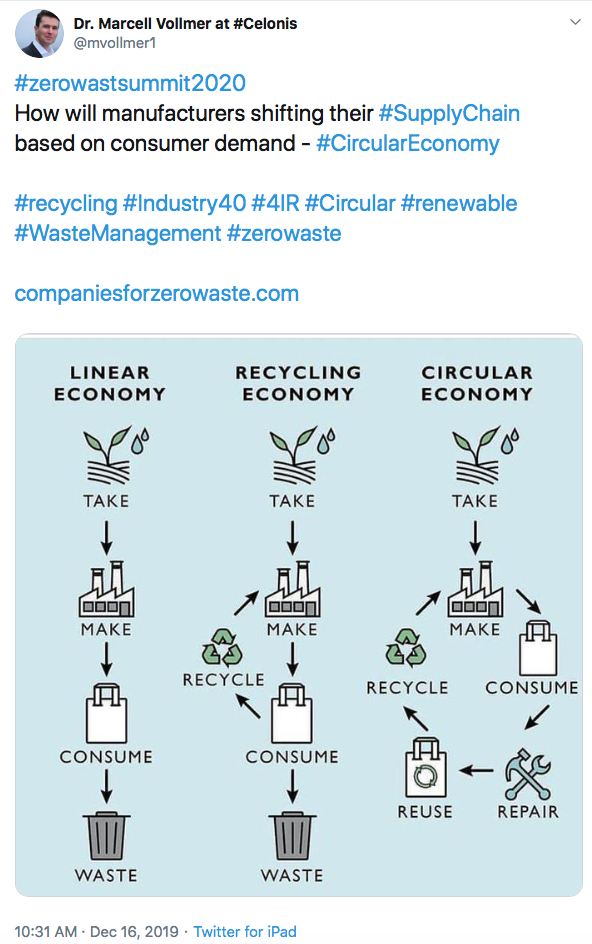
A circular economy is created through the principals of Reduce-Reuse-Recycle. This requires a bit of imagination and resourcefulness, key characteristics of the creative, the artists and those with right brain strengths.

HillReport12-16-19c

According to the Centre of Expertise on Resources, the tools for succeeding at a “no waste” circular economy are straight forward:

  • Refuse: try to eliminate using our natural resources when there are other alternatives
  • Reduce: lower the need for using natural resources, by reusing products already manufactured
  • Reuse: rayon paper towels can be washed and reused over and over
  • Repair: if the screen breaks on our phones, we simply repair rather than buy a new one
  • Refurbish: improving a product when it ages, ie repainting, polishing, etc
  • Remanufacture: improving an old product and using in a new way (broken outdoor shutters create beautiful indoor wall hangings… ART!)
  • Repurpose: reuse a product for a new purpose without having to change anything about it (glass jars are best example, buy pickles in a glass jar, when done we now have a storage container)
  • Recycle: reusing a products raw materials
  • Recover: use waste to make energy

HillReport12-16-19a
photography by AdobeStock

The most useful & effective reusable product that I’ve stumbled upon are rayon paper towels that can be washed, dried & reused indefinitely. They hold up well. I was spending $6 per week on paper towels, and now $0. That’s an easy $312 in my pocket.

We’ve got THIS!

© Copyright 2018 – 2019. ALL Rights Reserved.
GallantLogoNWST-75

More States Banning Single-Use Plastic Bags | Reusables for Every Store

Washington (GGM) Analysis | November 30, 2019
NoreenProfilePicHillReport-75 by Noreen Wise

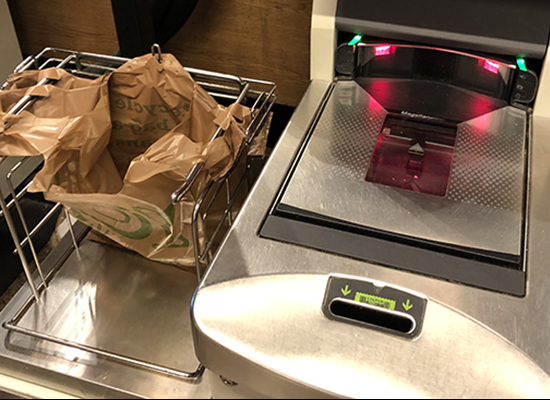
The holiday shopping season has begun. Packed malls and stores from coast to coast. American consumers are expected to spend nearly a half trillion dollars  from Thanksgiving through December 25, 2019. But how many US shoppers will rely on their reusable bags at every store they visit?

ST-SAGA-CovFrnt-72-300Prior to 1977, stores offered paper bags to shoppers. But once the first plastic shopping bags appeared in 1977, the switch to plastic was swift and furious and by the end of the 1990’s, the vast majority of retail outlets across the globe relied on single-use plastic. According to The World Counts:

  • we consume 5 trillion single-use plastic bags per year
  • 160,000 single-use plastic bags per second
  • but sadly, less than 1% of these are recycled
  • single-use plastic bags are made from oil, gas & coal which produce a significant amount of carbon
  • one ton of recycled single-use plastic bags equals 11 barrels of oil
  • the public’s seeming indifference to the extensive damage single-use plastic causes the environment, as well as it’s impact on climate change, has resulted in several states stepping in to regulate the use of single-use plastic bags

HillReport11-30-19d

According to U.S. News & World Report:

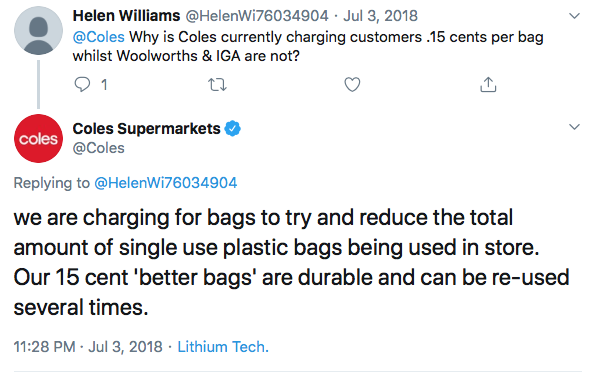
  • Connecticut just passed a law that went into effect August 1 2019, banning single-use plastic bags in grocery stores and restaurants by July 2021. Some grocery store chains and restaurants have already begun transitioning patrons to the ban by ditching all plastic bags and charging shoppers .10 cents for paper bags, as well as passing along a discount to shoppers who bring their own reusables. Businesses that continue to provide singles-use plastic bags these next 19 months will charge shoppers a .10 cent tax for each plastic bag. This is an excellent model for other states to follow.

HillReport11-30-19a

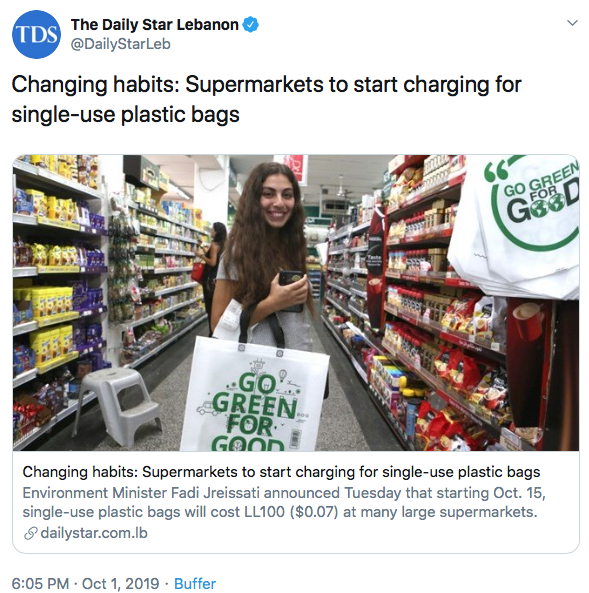
  • California was the very first state to ban single-use plastic bags back in 2014, and San Francisco was the first US city in 2007
  • New York jumped in and banned single-use plastic bags on Earth Day 2019; the ban will go into effective March of 2020
  • Hawaii hasn’t officially banned these deadly bags, but beginning in 2015 every county in the state has barred them, so Hawaii too is included in the count of state bans

HillReport11-30-19b.png

The Center for Biological Diversity has provided a critical list of key facts about the harm of single-use plastic bags:

  • the average American household uses 1,500 sing-use plastic shopping bags per year
  • 80% of the oceans’ massive toxic plastic island, the size of France, floating in the Pacific, comes from the plastic’s use on land
  • once it begins swirling around in the ocean, plastic is broken down into micro plastic fragments the size of rice and ingested by the majority of marine mammals
  • 267 marine species are impacted by plastic
  • each year, 100,000 marine animals die from plastic consumption
  • once dumped in a landfill, it will take 500+ years for a plastic bag to degrade

HillReport11-30-19c.png

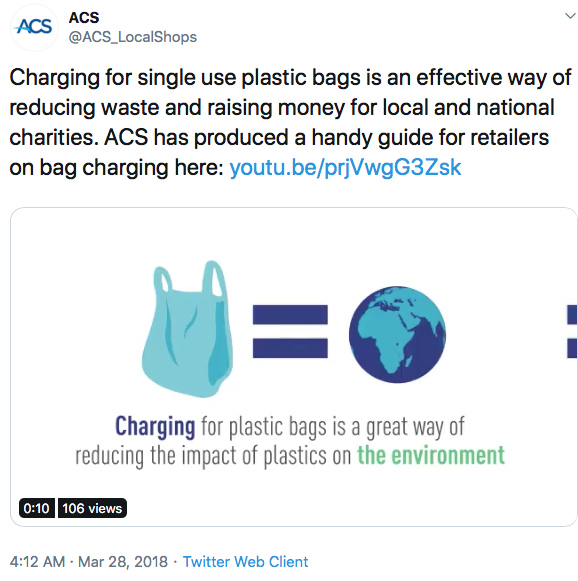
It’s time to ACT. SAVE a LIFE this Holiday Season. There’s no need to wait for a ban in our states. Shop with REUSABLE bags at EVERY store beginning immediately.

Let’s GO. We can do this!

© Copyright 2018 – 2019. ALL Rights Reserved.
GallantLogoNWST-75


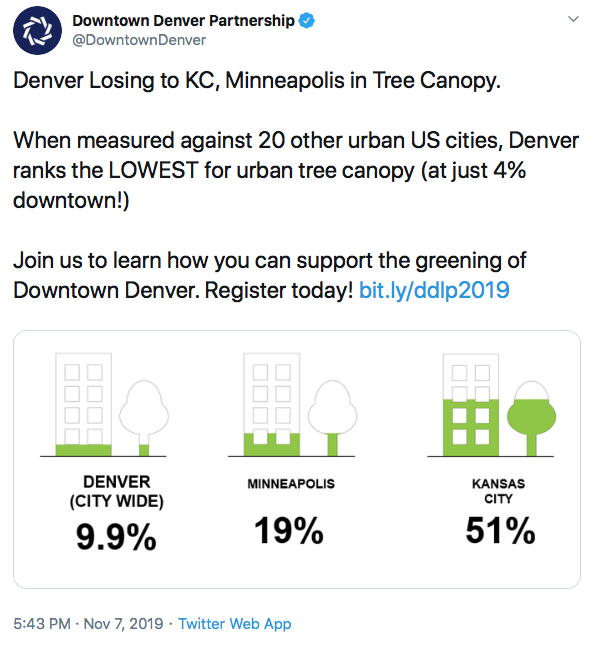
A REAL Solution – Urban Tree Canopy | Act Now

Washington (GGM) Analysis | November 9, 2019
NoreenProfilePicHillReport-75 by Noreen Wise
The emerging concept of “green intelligence” is bringing much needed analytical assessments to the attention of mayors across the country.  We understand the ST-Saga-CovFrnt-72dpi-300
importance of planting thousands of trees in our local communities. But apparently, where we plant trees really makes a difference.

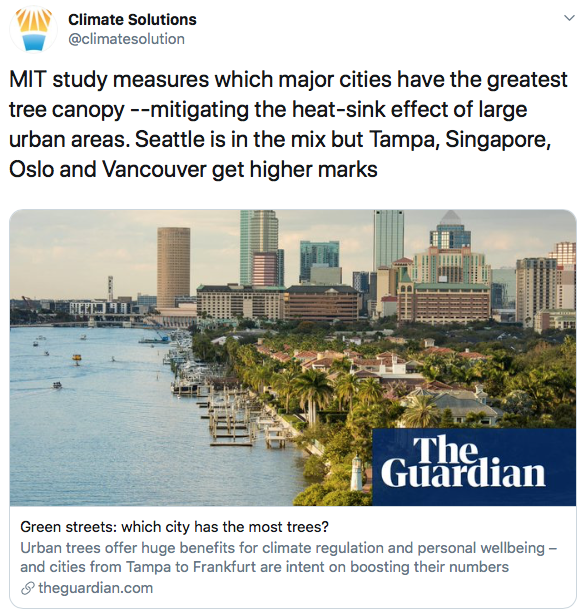
How do we determine the best locations for each household to plant ten trees? Thankfully, the USDA’s Forest Service Northern Research Station has just released a valuable analysis termed UTC, Urban Tree Canopy. The UTC Assessment is made up of geospatial data that can be used to strategically outline where exactly new trees should be planted in a town or city, and approximately how many will net the maximum benefit. It can be used as a guide in every city in America to identify which areas in each city need more tree work and tree TLC. New York City’s Hudson Yards’ revitalization is an excellent example.

By the way, Urban Tree Canopy is the complete tree mass — made up of branches, leaves and stems — that covers the ground when looking down from above the treeline.

Screen Shot 2019-11-07 at 8.56.40 PM.png

Here are the facts:

  • Trees make a vital, positive impact on all communities, particularly cities where there’s a dense population
  • Trees improve storm water run-off by capturing rain water in their canopy and discharging it into the atmosphere.
  • The EPA asserts that, “Tree roots and leaf litter create soil conditions that promote the infiltration of rainwater into the soil.”
  • So with more trees, there should be less street flooding.

Screen Shot 2019-11-07 at 8.47.03 PM.png

  • Trees provide shelter from the heat, and lower urban temperatures.
  • Trees reduce air pollution by absorbing toxins into the roots, bark and leaves. Trees also absorb a significant amount of CO2, as well us provide us with the oxygen we need to live.
  • Once trees have been planted, wildlife habitat will soon follow. This rich habitat includes wonderful insects, birds, bats, butterflies and small mammals.

Screen Shot 2019-11-07 at 9.11.54 PM.png

  • Trees beautify our communities which increases property values and improves our mental health.
  • In fact, Thomas Jefferson, and our founding fathers for that matter, strongly believed that trees and gardens were so critical  in ensuring our emotional strength and stability, that they insisted trees be planted across Capitol Hill and that a Botanic Garden be established at its base.
  • Trees improve the economic viability of a city or town.
  • Trees nurture the community spirit and strengthen community ties. In this day and age with the opioid crisis still haunting our communities, it’s nice to know that we can grab onto something positive, inspirational and healthy that will improve our quality of life and draw us all together.

Screen Shot 2019-11-07 at 8.55.20 PM.png

The facts are clear. Numerous life saving benefits, and a plan that the whole community can participate in. Team work. It’s time to attend town hall meetings to discuss our local community’s Urban Tree Canopy assessment. Did our mayors and town counsel members even read the UTC released by the USDA’s Forest Service? Let’s find out.

© Copyright 2018 – 2019. ALL Rights Reserved.
GallantLogoNWST-75

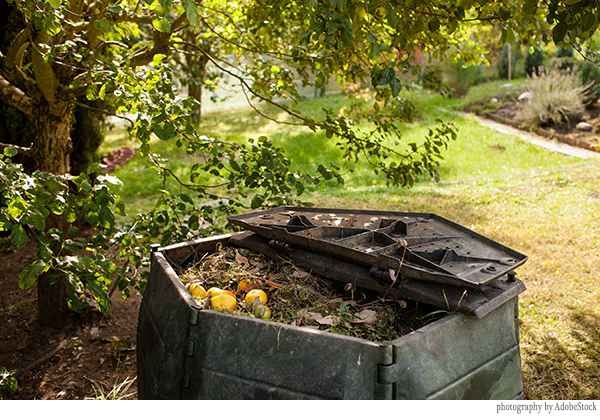
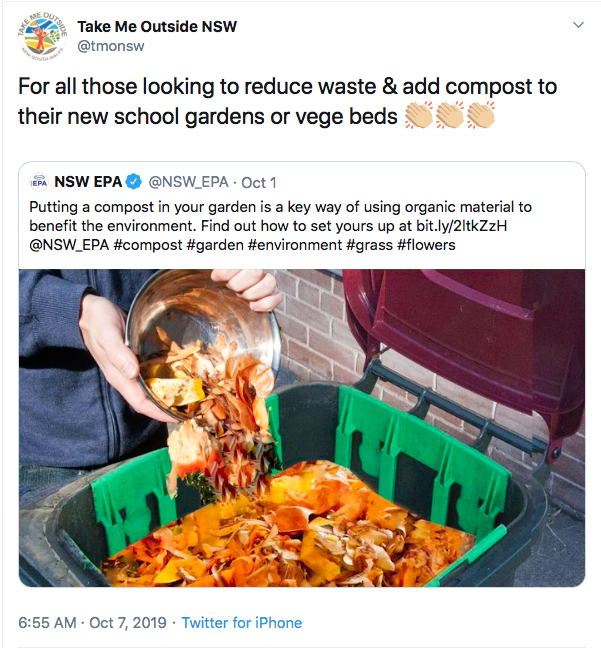
Setting Up Our Home Compost Bins ASAP

Washington (GGM) Analysis | October 15, 2019
NoreenProfilePicHillReport-75 by Noreen Wise
For the millions of us searching for effective next steps in reducing atmospheric carbon, as well as lowering our personal carbon footprints, having a home compost bin is a significant step forward. The best part, is how easy compost bins are to step up and maintain.

ST-Saga-CovFrnt-72dpi-300According to Exploring Green , Duke’s Nicholas School of the Environment, 51% of trash is compostable. This food that is thrown away in landfills turns into methane. Methane increases global warming 21 times that of CO2. But when food waste is composted and then layered into the soil, the soil becomes so rich with nutrients that it substantially increases the amount of carbon the soil can sequester, which lowers our atmospheric carbon level, and reduces the global temperature.

Homes, restaurants, and large dining facilities — whether that be school cafeterias, hospital and corporate cafeterias, mall foodcourts, and large banquets and conference centers — should all be tapped into the simple compositing process. Be on the lookout at restaurants in your area. Most healthy and organic venues now have compost bins.

Screen Shot 2019-10-15 at 9.54.48 PM.png

There are many ways composting space can be set up. It all depends on where you live and whether you’re able to have a larger outdoor bin.

  • In the kitchen, it’s best to have a small bin, with a handled bucket  that can be lifted out of the lidded container.
  • All food scraps we normally stuff into the sink disposal, will instead by placed in the compost bin.
  • The small compost bin should be emptied each night into the larger bin that is either stored in the yard or garage.
  • It’s important that the large bin is ventilated, and turned with a large stick once a week.
  • Air enables the compost to process faster.
  • An official compost bin has a lower hatch close to the ground, that can be opened when the compost is ready, and easily removed to place in soil around the yard.
  • If you live in a condo or apartment and want to keep everything light, you may want to try a small lidded container on your porch or patio that you can empty by layering into a nearby forest floor regularly.


Hands emptying a container full of domestic food waste
photography by AdobeStock

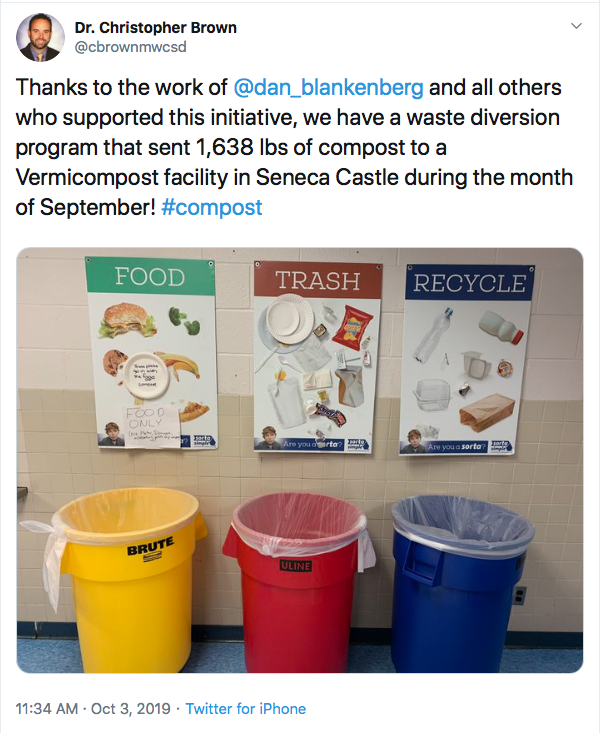
Schools Districts have jumped into the act in a big way, transforming the composting process into a learning lab. Many schools share their composting efforts through social media and it’s very exciting to see students energized by being part of this planet saving effort.

Screen Shot 2019-10-15 at 10.20.38 PM.png

Teachers really enjoy these interactive, climate action learning labs, too. Win/win experiences are positive and invigorating, making learning fun and joyful. What parents doesn’t love that?

Screen Shot 2019-10-15 at 10.23.22 PM.png


If you don’t have time or yard space to set up and maintain your own compost bin,  a whole new industry is starting to take shape. CompostNow.org is a compositing service for home, office, and restaurants.

  • They provide heavy duty plastic bin.
  • They pick up full bin each service day, and leave an empty one.
  • They track waste & compost creation by the pound.
  • Members earn compost! Very easy and rewarding… literally.

Screen Shot 2019-10-15 at 10.07.14 PM.png

So, take the leap. It’s super easy and will instantly contribute to carbon reduction!

© Copyright 2018 – 2019. ALL Rights Reserved.
GallantLogoNWST-75

Longworth HOB & Critical Compost | Climate Action

Washington (GGM) Analysis | October 4, 2019
NoreenProfilePicHillReport-75 by Noreen Wise
Success in reducing atmospheric carbon levels to the targeted 350 PPM from the current 412 PPM will come from tiers of immediate action. If every tier nails its targets, we’ll save the globe and civilization. This should motivate us to Act Now, especially when we consider how basic and easy many of the “actions” are for lowering carbon.

ST-Saga-CovFrnt-72dpi-300The main TIERS:

  • Individual carbon footprint
  • Corporations, businesses & organizations
  • Local, state & federal government and agencies
  • Farms
  • Nature
  • Miscellaneous

All we have to do as individuals is focus on the tiers that we fall under. The greatest obstacle to succeeding at carbon reduction though, is missing the small, easy opportunities that we fail to recognize. The ones right under our nose that we would be able to execute immediately if we were more aware.

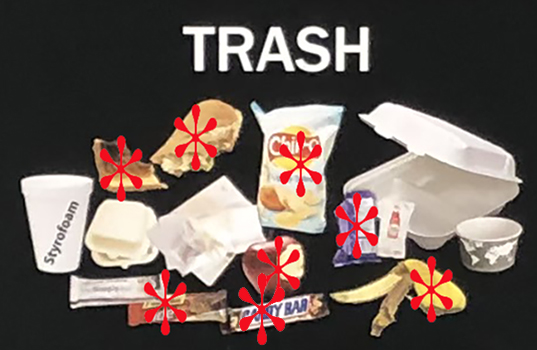
Composting is the best example of a basic missed opportunity. For example, take the Longworth House Office Building dining hall in Washington, DC where thousands of constituents, lobbyists, and House Representatives eat breakfast and lunch Monday through Friday each week. Sadly, Longworth does not currently compost, despite the fact that the US Botanic Garden is across the street and would thrive on weekly fresh compost, as would the massive acres of capitol grounds that are also across Independence Ave.

HillReport20-3-19b

According to Exploring Green , Duke’s Nicholas School of the Environment:

  • 51% of “trash” dumped into landfills is compostable
  • Annually, the world throws away approximately 1.3 billion tons of food
  • 3.3 billion tons of CO2 is released each year to process the wasted food (production, harvesting, transporting and packaging)
  • Wasted food thrown away in a landfill releases methane
  • Methane increases global warming 21 times that of CO2
  • On the other hand, wasted  food that’s composted and layered into soil, increases the soil’s nutritional content which increases the amount of carbon it can sequester

Thus, composting uneaten food at home, at work and in restaurants and dining halls is a no-brainer. In fact, many school districts are jumping in. Capitol Hill dining halls would only have to change one of its two trash signs to “FOOD/COMPOST.” This is so easy, it’s scary.

HillReport10-3-19a
Trash sign at Longworth HOB dining hall. A red asterisks has been placed on the items that can be composted. The uneaten food would have to be removed from the packaging before it’s dumped into the compost bin.

Our oceans sequester approximately 25% of atmospheric carbon and nature 28%. The big challenge with ocean carbon sequestration is that it increases water temperature as well as acidity. The increase in water temperature, melts the glaciers which raises the global water levels. The higher temperature also causes changing climate which becomes that much more extreme.

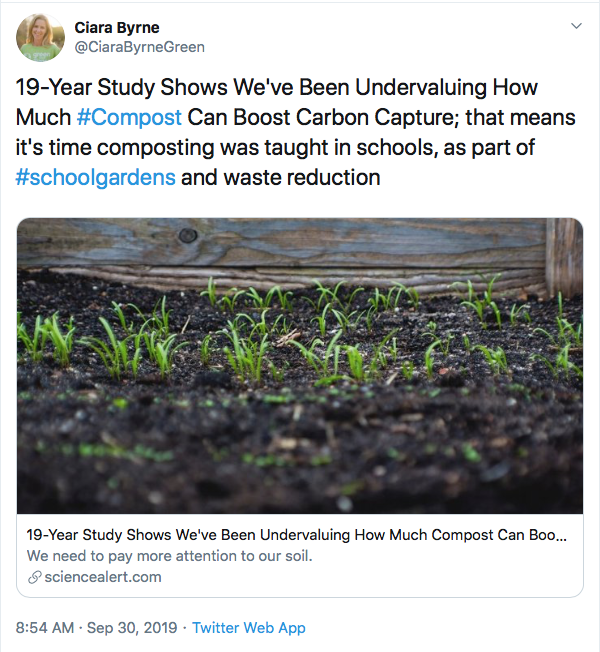
To save humanity from climate extremes, the focus is now on increasing carbon sink in nature and in soil, and trying to lower ocean temperatures. Nature — which means planting more trees and greens, and elevating the nutritional values in soil — is one of the new climate action touchstones on the carbon sequestration front. In short, compositing has become a vital necessity. Thus, missed opportunities sound the alarm.

Screen Shot 2019-10-03 at 9.41.30 PM.png

Composting has become such a critical factor in the success of lowering our atmospheric carbon levels, that a whole new industry is starting to take shape. CompostNow.org is a compositing service for home, office, and restaurants.

  • They provide heavy duty plastic bin
  • They pick up full bin each service day, and leave an empty one
  • They track waste & compost creation by the pound
  • Members earn compost! Very easy and rewarding.

Screen Shot 2019-10-03 at 9.44.24 PM.png

When the carbon facts are this simple and the cost a bare minimum, and #ActNow only a matter of changing signs, it’s unfathomable how anyone would pass on this opportunity. Come on, Longworth… let’s FIX THIS!

© Copyright 2018 – 2019. ALL Rights Reserved.
GallantLogoNWST-75

Seriously, Switching to Solar Now Is So Easy | Check This Out

Washington (Gallant Gold Media Hill Report | Analysis | September 6, 2019)
NoreenProfilePicHillReport-75 by Noreen Wise

During this urgent global climate crisis, with all eyes are on the world’s atmospheric carbon level — measuring 415 PPM in May 2019, with the goal of returning to the late 1980’s level of 350 PPM — we must immediately change gears following the catastrophic loss of a large chunk of the Amazon rainforest due to ferocious forest fires.

SOLUTION: It’s time to step up the America’s transition to solar energy. ST-Saga-CovFrnt-72dpi-300Additionally, let’s plant more trees on every continent ASAP.

In July 2019, the atmospheric carbon level actually dropped a bit to 411.77 PPM which was very exciting. There are so many countries and so many millions of global citizens working tirelessly, making sacrifices and changing our lifestyles in our effort to lower our carbon footprint, which in turn lowers the atmospheric carbon level. It’s nice to see that our committed efforts are netting positive results. It was only a few weeks later, however, that the Amazon rainforest was consumed with fire. Argh, now the CO2 level will rise again.

So, we must move quickly to counter the effects of the fires.

We know we’re going to have to switch to solar at some point, let’s take the leap right now so we can save more lives. There are much too many benefits not to switch ASAP:

It’s exciting to find excellent resources that make transitioning easier. EnergySage is just that, a user-friendly resource that makes the transitioning process stress free.

It only takes a few clicks to save the world and our futures… Let’s Go!

© Copyright 2018 – 2019. ALL Rights Reserved.
GallantGreenSmileGold-75

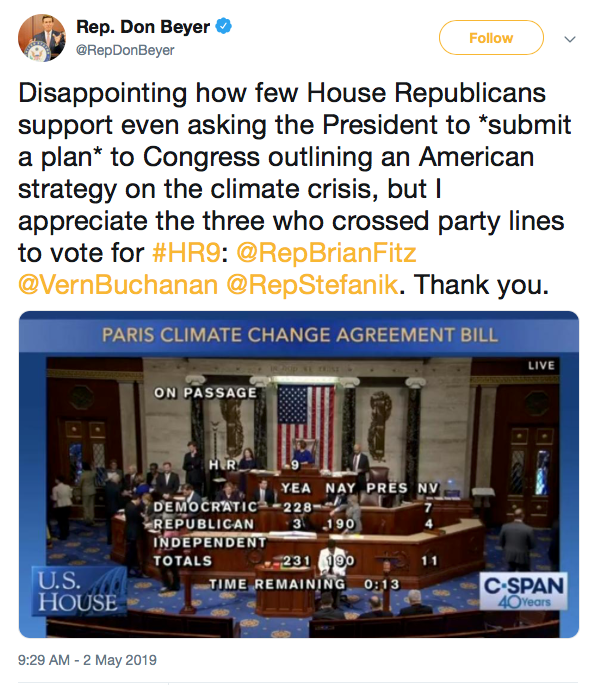
House Passes Climate Action Now Act | HR9

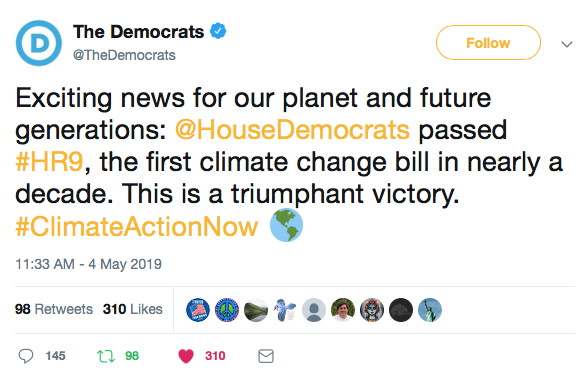
Washington (Gallant Gold Media Hill Report | Opinion | May 4, 2019) –  The Climate Action Now Act (HR9) was passed by the House on Thursday May 2, 2019. Very encouraging event in the midst of a tumultuous week of shock and disappointment related to the William Barr Hearing with the Senate Judiciary Committee.

This is the first climate crisis legislation to pass the Congress “in nearly ten years,” according to Bill sponsor Representative Kathy Castor (D-FL). HR9 will keep the US commitment outlined in the Paris Agreement, to reduce carbon emissions in the United State by 26-28% by 2025. HR9 prevents the Trump Administration from leaving the Paris Agreement. There’s a bipartisan group of 23 governors, nearly 300 cities, and 2,000 businesses who have all pledged a commitment to stay in the Paris Agreement. The US House of Representatives has now been added to this list.

HR9: To direct the President to develop a plan for the United States to meet its nationally determined contribution under the Paris Agreement, and for other purposes.

Screen Shot 2019-05-04 at 9.03.47 PM.png

HR9 gives the President 120 days to submit the United States Climate Action plan to assigned congressional committees as well as to the American people.

  • House Committees: Foreign Affairs and Energy and Commerce
  • Senate Committees: Foreign Relations, Environment and Public Works, and Energy and Natural Resources

Screen Shot 2019-05-04 at 9.02.27 PM.png

Despite the Trump Administration announcing it was pulling out of the Paris Agreement on June 1, 2017, the United States went of to reduce carbon emissions by 42 million tons in 2017 the largest reduction by any one country on the globe. Our massive landmass and population can successfully tip the carbon scale. If we can stay committed on a daily basis to do everything in our power to cut carbon – all those very small everyday choices: recycle, reusable bags for all shopping not just grocery shopping, LED lights, tighten faucets after using so no dripping, plant a tree with family and friends once a month, walk more drive less, solar energy – it will become so engrained in our way of life, it won’t feel like extra effort.

Screen Shot 2019-05-04 at 9.01.59 PM.png

We can do this! Let’s go for a carbon reduction goal of 100 million tons in 2019. Next step for HR9 to become law, is passing the Senate.

© Copyright 2018 – 2019. ALL Rights Reserved.

GallantGreenSmileGold-75

ST-SAGA-CovFrnt-72-350