Category: Environment

Time to Plant Climate Gardens While We’re Stuck at Home

Washington (GGM) Analysis | March 14, 2020
NWHillReport-Pic by Noreen Wise

Backyard gardens are one of the easiest most inspiring ways to lower our carbon footprint. Adding multiple layers beneath trees and along fences, lining the front of homes. Shrubs, flowers, vines, ground cover. Ivy and creepers up and down walls, around mailboxes and lamplights. International cities like London and Paris have perfected this.

The best part about zeroing in on a giant burst of nature as the solution, is that it works immediately, especially if we all collectively execute ASAP, during these next few weeks while we’re stuck at home hoping tp stay clear of the coronavirus pandemic.

Imagine the positive impact.

HillReport3-13-2020.jpg

In the nick of time, no less. We’re down to only nine years to save humanity from climatocalypse. So, the silver lining of being thrown into our current heart-wrenching calamity, with unexpected at-home time on our hands, is that we can pause and focus on the long term, and alter our destiny by conquering what otherwise would most likely be an improbable collective gardening effort.

Live in an apartment or condo? Balcony, patio and rooftop gardens or plantings on every available flat surface is a life-and-planet-saving difference. With a success rate as significant as this will be, at a minimal cost, we can all jump in first thing in the morning.

HillReport3-14-2020d.jpg

Screen Shot 2020-03-14 at 12.05.28 AM.png

Bringing back nature, will not only be a giant leap forward in our progress at lowering our atmospheric carbon level back down to 350 PPM, but has multiple other valuable benefits.

Nature improves mental health, not only an emotional positive boost, but a sensory one as well. Sunlight provides the much needed daily dose of vitamin D that will keep our outlook positive and optimistic. Additionally, nature’s scent has an array of therapeutic properties. Some species are calming and supportive, while others keep us alert and energized. There’s also the tangible, yet little understood, sentient characteristics of nature that indicate plants and trees can problem solve, even connect with other plants and animals, as well as communicate with each other, and some believe communicate with humans, in addition to nurturing humans,  .

Screen Shot 2020-03-14 at 12.06.50 AM.png

Considering how many alarming societal threats we face — climate, suicides, drug addiction, physical and mental health — the fact that nature can aid in improving every single one of these, is a very compelling reason to quickly sow our climate gardens during this unexpected period of being stuck at home (at least it’s spring, the planting season). In fact, there’s no better way to keep our minds off this extended emergency, than to dig into a powerful solution that will not only bring back nature, but will keep us calm in a crisis.

Once nature is back, the wildlife that goes along with it will also return. Our planet will be healthy again, which will make humankind that much healthier too. It all begins right now, during these mandated weeks of social distancing.

Let’s GO!

© Copyright 2018 – 2020. ALL Rights Reserved.
GallantLogoNWST-75

Protecting Our Water Supply this Spring | Beware of Lawn Fertilizer

Washington (GGM) Analysis | March 8, 2020
NWHillReport-Pic by Noreen Wise

After Trump’s recent roll back of Obama’s Clean Water Act, we have to be more mindful than ever of what we can do as individual citizens to be the stewards of our community water supply in the hopes that we can minimize the negative fallout now that these life-saving federal regulations have been repealed.

I feel traumatized by the horrible news that 60% of our waters will again be unprotected. Climate change has created a seemingly apocalyptic ripple effect from the fallout of the flooding and run off that occurs from the now regular rain bombs, as well as the threat of the new Category 6 hurricanes (not that the National Hurricane Center has officially added Category 6 to the Saffir-Simpson Scale, but recent Hurricane Dorian with winds of 185 mph that flattened the Bahamas, was so far off the charts there’s certainly been a fewa discussions about the need to do so).

Factor in the flooding of superfund sights alone, during this age of climate change, and the frightening consequences for future generations in the calamitous way that water pollutants cause birth defects. This reality is already rattling nerves and alarming homeowners close to these toxic sights. The unseen leaking of life-threatening pollutants  into ground water from buried storage tanks is certainly of grave concern, but all the more troubling is seeing the vacant wastelands flood and the damaging toxic waters flow through town drains as well as the surrounding nearby community property.

Farmland with pesticides and fertilizer is equally as concerning. Weather bombs know no borders. Heavy rains will spread these toxins for miles. They’re usually invisible, but the damage they cause humans is very tangible and physical.

HillReport3-8-2020a

So with these significant issues now plaguing American communities this spring 2020, and some states stepping in to protect its waters and passing much needed state regulations, we have to do our part too, after all, we’re the ones with the most to lose.

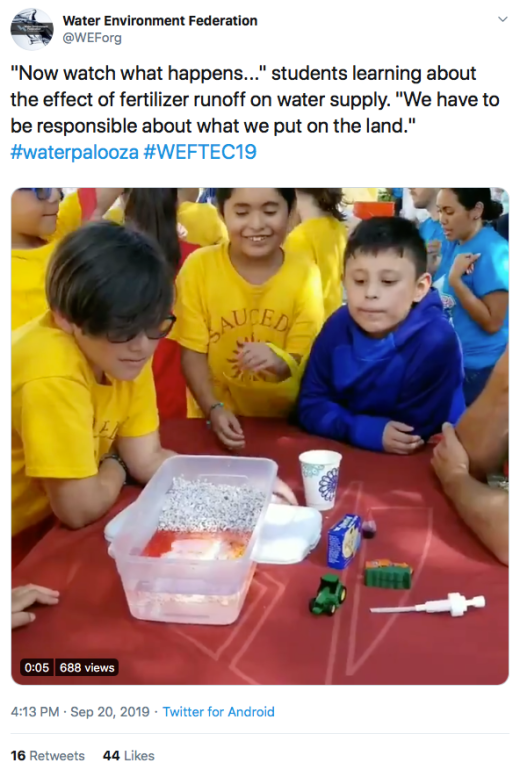
We love beautiful lawns, or course. And we likely use fertilizer to make sure our yards have the right nutrients to nurture our favorite flowers, shrubs and trees. However the ammonium nitrate found in most sterilizers, amongst other hazardous nutrients, are the very pollutants that may cause birth defects after running down the town drains during heavy spring rains.

HillReport3-8-2020b

Birth defects caused by the nitrates found in fertilizer:

  • spina bifida
  • cleft palate
  • missing limbs

Rules of thumb to avoid contaminating the town water supply?

  • home composting from food scraps that can be added to garden and yard soil
  • many town farmer’s markets now offer free compost
  • organic alternatives that are not water soluble like ammonium nitrate
  • don’t fertilize in the spring, wait until fall when there’s much less rain.

So let’s be more aware, and make a commitment to finding an alternative to fertilizing with heavy nutrients in the spring. We can do this!🌱


© Copyright 2018 – 2020. ALL Rights Reserved.
GallantLogoNWST-75

Powerful Impact of Meadows on Carbon Sink

Washington (GGM) Analysis | February 24, 2020 by Noreen Wise

Thousands of innovators across the globe are aggressively working to manufacture machines that will pull carbon out of the air and store it, or transform it into something useful. Recent news about Amazon committing $10B to combat climate change has created hope that some of these funds will be used to create innovative solutions such as carbon sequestration machines.

But we’re not there yet, so we have to maximize what’s currently at our disposal — nature.

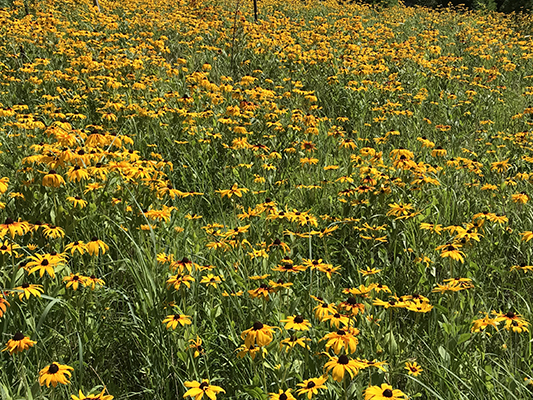
Planting trees is our number one priority.  But, equally as important are meadows. Expansive landscapes of open fields that contain a variety of plants enable the funneling of carbon into their roots and trapping it in the soil where it will be safely stashed even when the roots die.

According to the Scientific American on sustainability, “Carbon Off-Set Cowboys Let Their Grass Grow”:

“The best way to maximize the amount of carbon that gets trapped underground is to maximize grass growth.”

Screen Shot 2020-02-24 at 2.24.22 PM.png

The fact that so many different types of botanic species grow in a meadow, and their roots all intertwine underground, appears to be why meadows store more carbon than tall and bushy shrubs, although they take up a lot more land. Once carbon is trapped underground, fungi feed off it, and according to the Scientific American, fungi are often consumed by microbes and worms which stabilizes the carbon.

Screen Shot 2020-02-24 at 2.28.47 PM.png

The western half of the country, with it’s massive open terrain, has a huge opportunity to maximize this option and help the United States take giant steps forward in cutting carbon. Apparently, a cap & trade program that reward ranchers and land owners is already underway. According to Civil Eats, Indigo Ag, a Boston-based agtech company, has raised $600 million from investors to help farmers sink one trillion tons of carbon on their property. Farmers are paid $15 per metric ton of stored carbon.

It’s exciting to see that the economy that led to our stratospheric carbon emissions rate, can be used to turn the catastrophe around and inspire land owners to reach for an opportunity to reduce carbon just as quickly and significantly.🌱

© Copyright 2018 – 2021. ALL Rights Reserved.


Overhauling the Packaging of Consumer Brands | Circular Economy

Washington (GGM) Analysis | February 13, 2020
NWHillReport-Pic by Noreen Wise

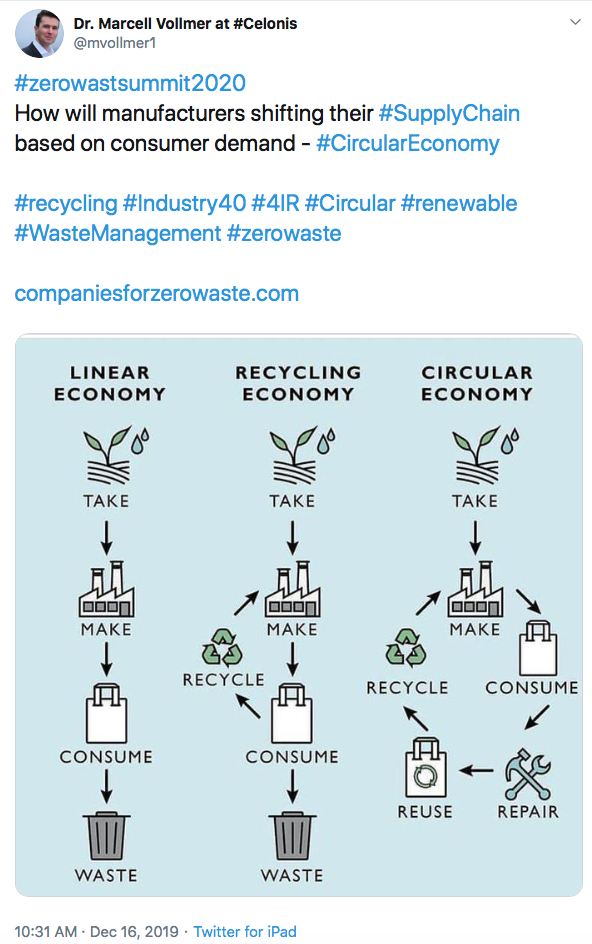
With the advent of the global circular economy movement, it soon becomes clear just how many everyday items can’t be recycled. It’s quite alarming. We’ll never reach zero waste unless we find innovative solutions to meet this imperative.

Take plastic, for example. The following plastic packaging/ additional items cannot be recycled:

  • plastic single use shopping bags
  • straws
  • plastic film wrap
  • frozen food bags (nearly all vegetables are sold in non-recyclable bags)
  • cereal box liner
  • chip bags
  • granola bar, candy bar and nearly all snack items wrappers
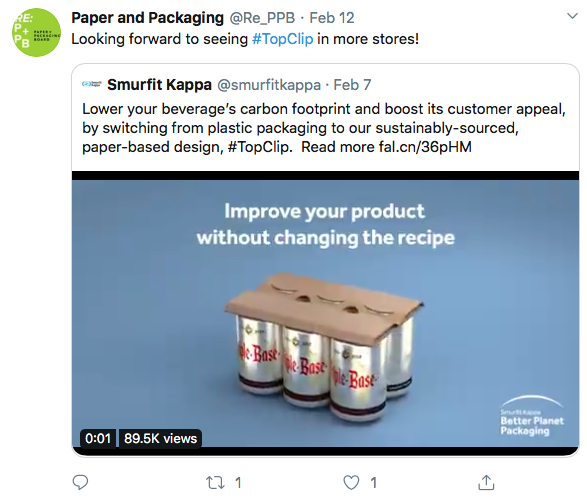
  • six-pack rings
  • plastic hangers
  • any plastic containers that can’t be cleaned, ie toothpaste tubes

Back before I was aware that these particular pieces couldn’t be recycled, it was exciting to end the month with an empty kitchen garbage bin. But now that I’m in the know, and I see the waste stack up, I feel maximum frustration. We have to stop, focus and fix.

Screen Shot 2020-02-13 at 10.09.07 PM.png Thankfully, innovative sustainability companies have done just that. According to Healthy Human, the following are the top sustainable packaging innovations of 2019:

  • Loop, Returnity and Share Pack – companies that enable consumers to conveniently return packaging either by dropping off at targeted locations, or sending back in company provided totes
  • Plant based packaging – plastics made from plants
  • Edible packaging – typically this is seaweed, hopefully they’ll soon find additional alternatives
  • Plantable packaging – contains seeds so the packaging can be planted after use
  • Compostable plastic alternatives
  • Minimal packaging design
  • Upcycled or recycled packaging

Screen Shot 2020-02-13 at 10.09.27 PM.png

Sustainable packaging solutions are here. All we need now is to grow demand which will come from our consumer decision making. We simply must be motivated to seek these sustainably packaged products out and use our wallets to influence corporations to switch. If we all refuse to buy particular brands because of the packaging, corporations will soon wise up.

We can DO THIS!~

© Copyright 2018 – 2020. ALL Rights Reserved.
GallantLogoNWST-75

ST-Saga-CovFrnt-72dpi-300

FINALLY! Ketchup Packaged In Glass | New Brands

Washington (GGM) Analysis | April 17, 2022 by Noreen Wise | Reprint from December 24, 2019

Exciting update on the “Ketchup in a glass bottle sold locally” saga, a tale that has reached a positive outcome in just five weeks. Five weeks is a very short period of time to go from 0 to 60. This proves that social media is a very powerful solutions driver.

Continue reading “FINALLY! Ketchup Packaged In Glass | New Brands”

EV Charging Stations | Retail & Restaurant Parking Lots ROCK!

Washington (GGM) Analysis | December 20, 2019
NoreenProfilePicHillReport-75 by Noreen Wise

The new year is here. Thinking of all that can be accomplished on the Climate Action front makes my head spin. Way at the top of the list is EV cars, which means EV charging ST-Saga-CovFrnt-72dpi-300
stations are going to be on everyone’s minds.

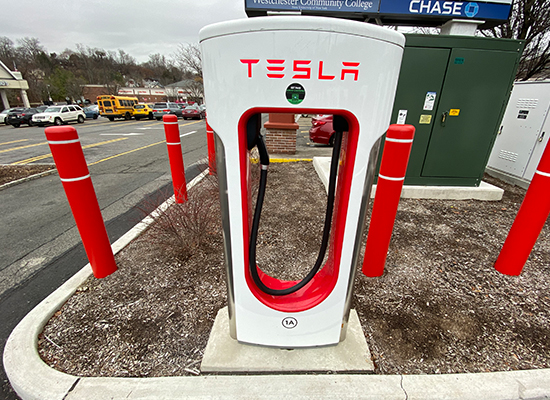
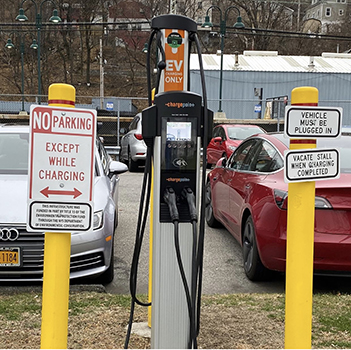
Savvy business owners and managers who have parking lots can take advantage of this consumer need by installing a handful of charging stations in their parking lots. It seems that this is what everyone has been talking about at holiday parties this year. Where do you charge your car?

One woman I spoke with lives in a complex that doesn’t yet have charging stations, so she has to be sure to charge in town. She now LOVES Walgreens because they have charging stations. She makes plans to charge while she shops. It was likely that she rarely shopped at Walgreens before buying an EV, but now, it’s her favorite store in the world. And she always spends money, every single week.

HillReport12-20-2019aWide open green fields for marketing, literally. And the best part about this unique opportunity, is that EV owners who charge when visiting a store, feels immense gratitude. The most passionate, heartfelt kind of deep appreciation, almost an indebtedness, the way we feel towards heroes. They’ll likely feel inspired to say “yes” to a  promotion opportunity rather than “no.”

When restaurants and retailers everywhere begin adding charging stations to parking lots, we’ll see EV sales go through the roof, and the atmospheric carbon levels drop. Win/win! In certain regions, businesses can find sizable grants to help cover the cost. Good Luck!~

HillReport12-20-2019b

© Copyright 2018 – 2019. ALL Rights Reserved.
GallantLogoNWST-75


Consumers Profit from Circular Economy

Washington (GGM) Analysis | December 16, 2019
NoreenProfilePicHillReport-75 by Noreen Wise

Finally, the era of consumer profit has arrived. We’ve certainly earned this ST-Saga-CovFrnt-72dpi-300
unexpected windfall after nearly two centuries of corporate greed destroying our hopes & dreams by restraining our financial ability to achieve them.

Now that our golden opportunity is upon us, let’s try and maximize the amazing possibilities so we can quickly increase our disposable income and apply this boost to health, education and long term goals.

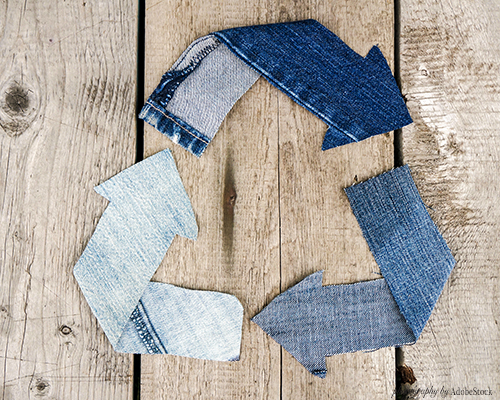
A circular economy is created through the principals of Reduce-Reuse-Recycle. This requires a bit of imagination and resourcefulness, key characteristics of the creative, the artists and those with right brain strengths.

HillReport12-16-19c

According to the Centre of Expertise on Resources, the tools for succeeding at a “no waste” circular economy are straight forward:

  • Refuse: try to eliminate using our natural resources when there are other alternatives
  • Reduce: lower the need for using natural resources, by reusing products already manufactured
  • Reuse: rayon paper towels can be washed and reused over and over
  • Repair: if the screen breaks on our phones, we simply repair rather than buy a new one
  • Refurbish: improving a product when it ages, ie repainting, polishing, etc
  • Remanufacture: improving an old product and using in a new way (broken outdoor shutters create beautiful indoor wall hangings… ART!)
  • Repurpose: reuse a product for a new purpose without having to change anything about it (glass jars are best example, buy pickles in a glass jar, when done we now have a storage container)
  • Recycle: reusing a products raw materials
  • Recover: use waste to make energy

HillReport12-16-19a
photography by AdobeStock

The most useful & effective reusable product that I’ve stumbled upon are rayon paper towels that can be washed, dried & reused indefinitely. They hold up well. I was spending $6 per week on paper towels, and now $0. That’s an easy $312 in my pocket.

We’ve got THIS!

© Copyright 2018 – 2019. ALL Rights Reserved.
GallantLogoNWST-75

Fire Drill Friday | Jane Fonda Keeps Us Focused On #1 Priority

Washington (GGM) Analysis | November 15, 2019
 by Noreen Wise

It was an emotional day on Capitol Hill with defamed ex-Ambassador for Ukraine Marie Yovanovitch, testifying in the second impeachment hearing for Donald J. Trump. The details outlined by Ms. Yovanovitch were critical and seem to have sealed Trump’s fate. I speculate he’ll be impeached by New Years Eve 2019.

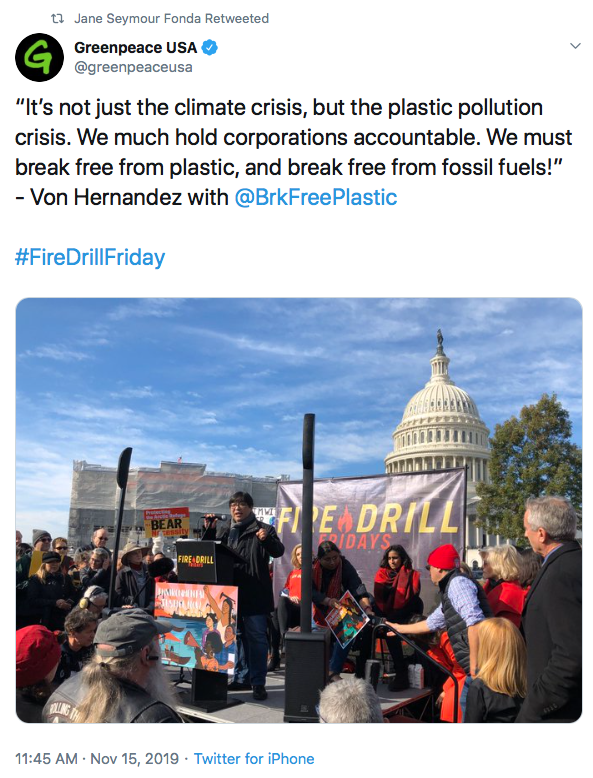
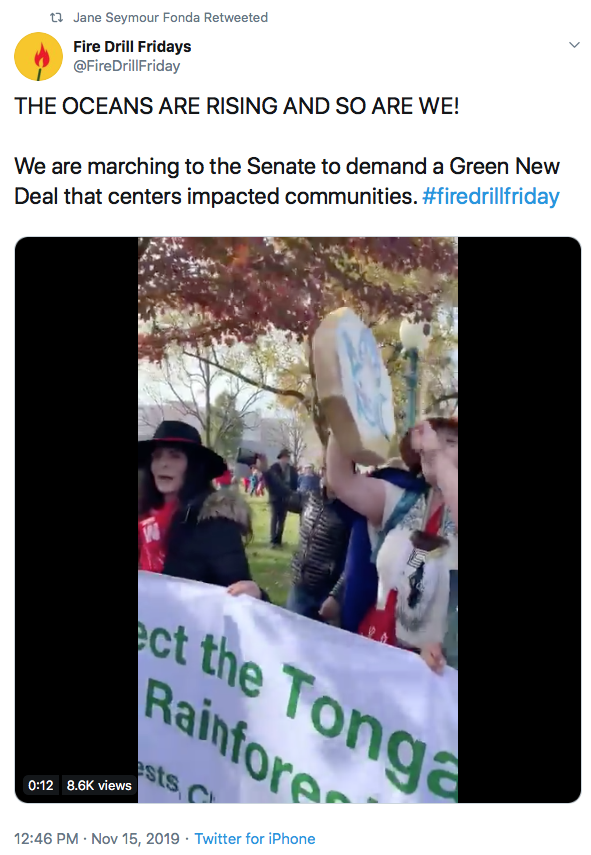
Meanwhile, a few hundred yards away, in the warming sunlight, Jane Fonda rallied Americans with her sixth Friday Fire Drill. Her mission is to draw awareness to the Green New Deal and the important role fossil fuels have played on our climate’s demise.

Fonda was not arrested today, but she prides herself on the positive impact her protesting and subsequent arrests have had on the climate emergency cause. Today’s climate focus was on our oceans and rising sea levels as well as the urgent need to break free from plastic.

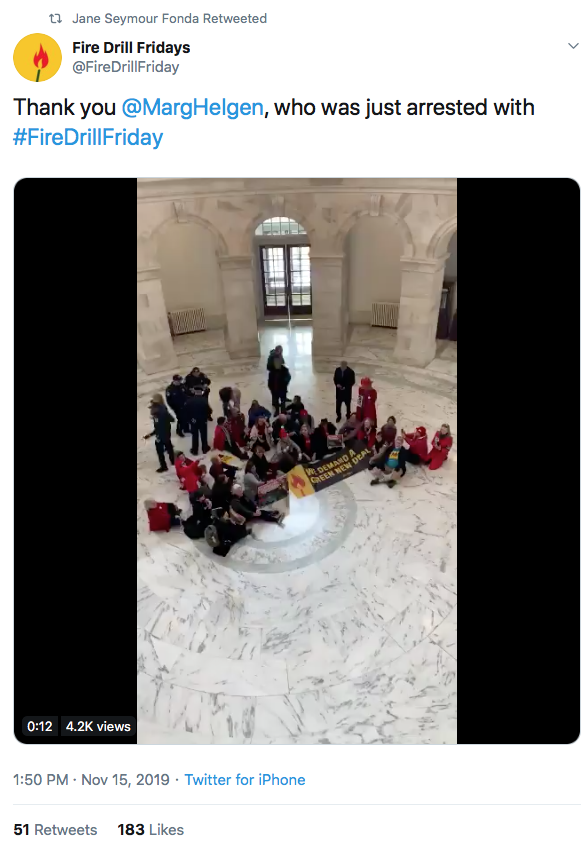
Although Fonda wasn’t arrested, two of her tag-along friends were: Marg Helgenberger and Robert Kennedy Jr. It seems these wonderful climate activists consider their arrests their red badge of courage.

HillReort11-15-19b.png

The holiday shopping season has arrived. It’s imperative that we keep our resolve to act now on lowering atmospheric carbon levels by the choices we make during the holiday season. Every tiny decision will save a life. For example, it’s advised that no red meat for any festivities. Avoid plastic packaging. Buy grocery products in glass bottles. Let’s promise to keep our eyes wide open as we claw through the packed aisles, and make the right selections when we reach toward a store shelf.

HillReport11-15-19a

Another positive choice is to buy local. It’s mind boggling how dramatic this simple decision can make. Again, it’s all about being aware, and making a commitment in advance to save our oceans and brighten our children’s futures. We can do this!

HillReport11-15-19c.png

© Copyright 2018 – 2019. ALL Rights Reserved.

A REAL Solution – Urban Tree Canopy | Act Now

Washington (GGM) Analysis | November 9, 2019
NoreenProfilePicHillReport-75 by Noreen Wise

The emerging concept of “green intelligence” is bringing much needed analytical assessments to the attention of mayors across the country.  We understand the ST-Saga-CovFrnt-72dpi-300
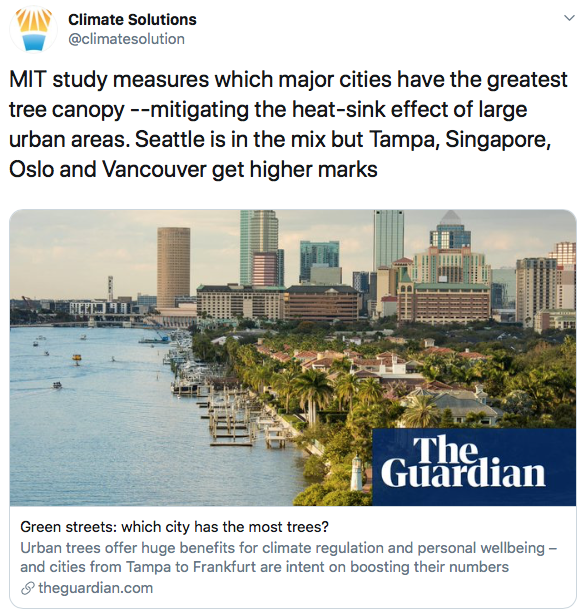
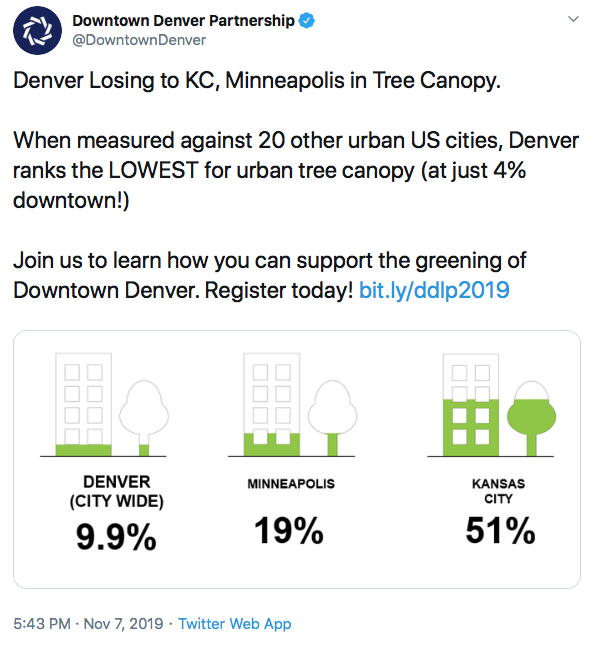
importance of planting thousands of trees in our local communities. But apparently, where we plant trees really makes a difference.

How do we determine the best locations for each household to plant ten trees? Thankfully, the USDA’s Forest Service Northern Research Station has just released a valuable analysis termed UTC, Urban Tree Canopy. The UTC Assessment is made up of geospatial data that can be used to strategically outline where exactly new trees should be planted in a town or city, and approximately how many will net the maximum benefit. It can be used as a guide in every city in America to identify which areas in each city need more tree work and tree TLC. New York City’s Hudson Yards’ revitalization is an excellent example.

By the way, Urban Tree Canopy is the complete tree mass — made up of branches, leaves and stems — that covers the ground when looking down from above the treeline.

Screen Shot 2019-11-07 at 8.56.40 PM.png

Here are the facts:

  • Trees make a vital, positive impact on all communities, particularly cities where there’s a dense population
  • Trees improve storm water run-off by capturing rain water in their canopy and discharging it into the atmosphere.
  • The EPA asserts that, “Tree roots and leaf litter create soil conditions that promote the infiltration of rainwater into the soil.”
  • So with more trees, there should be less street flooding.

Screen Shot 2019-11-07 at 8.47.03 PM.png

  • Trees provide shelter from the heat, and lower urban temperatures.
  • Trees reduce air pollution by absorbing toxins into the roots, bark and leaves. Trees also absorb a significant amount of CO2, as well us provide us with the oxygen we need to live.
  • Once trees have been planted, wildlife habitat will soon follow. This rich habitat includes wonderful insects, birds, bats, butterflies and small mammals.

Screen Shot 2019-11-07 at 9.11.54 PM.png

  • Trees beautify our communities which increases property values and improves our mental health.
  • In fact, Thomas Jefferson, and our founding fathers for that matter, strongly believed that trees and gardens were so critical  in ensuring our emotional strength and stability, that they insisted trees be planted across Capitol Hill and that a Botanic Garden be established at its base.
  • Trees improve the economic viability of a city or town.
  • Trees nurture the community spirit and strengthen community ties. In this day and age with the opioid crisis still haunting our communities, it’s nice to know that we can grab onto something positive, inspirational and healthy that will improve our quality of life and draw us all together.

Screen Shot 2019-11-07 at 8.55.20 PM.png

The facts are clear. Numerous life saving benefits, and a plan that the whole community can participate in. Team work. It’s time to attend town hall meetings to discuss our local community’s Urban Tree Canopy assessment. Did our mayors and town counsel members even read the UTC released by the USDA’s Forest Service? Let’s find out.

© Copyright 2018 – 2019. ALL Rights Reserved.
GallantLogoNWST-75

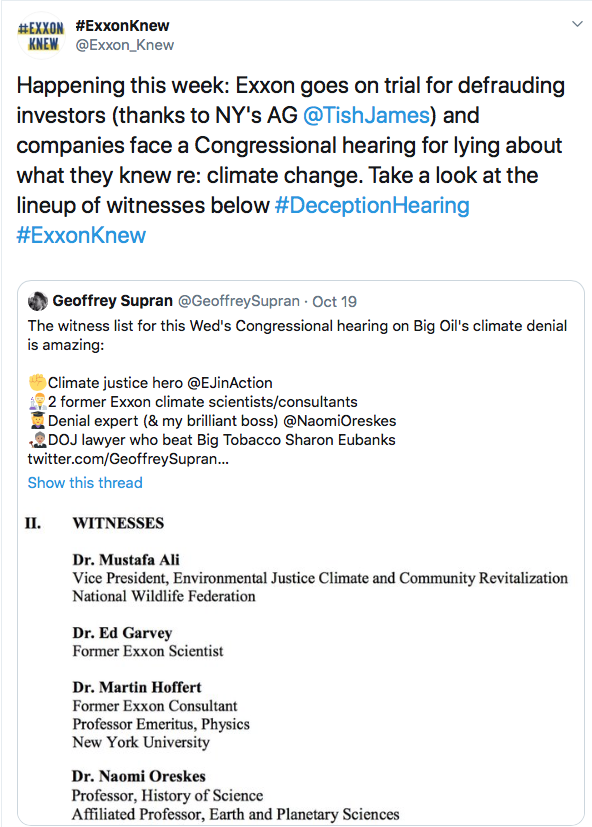
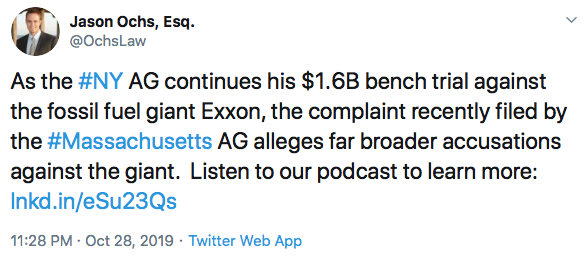
ExxonMobile | The Long Term Consequences of Short Term Greed

Washington (GGM) Analysis | October 30, 2019
NoreenProfilePicHillReport-75 by Noreen Wise

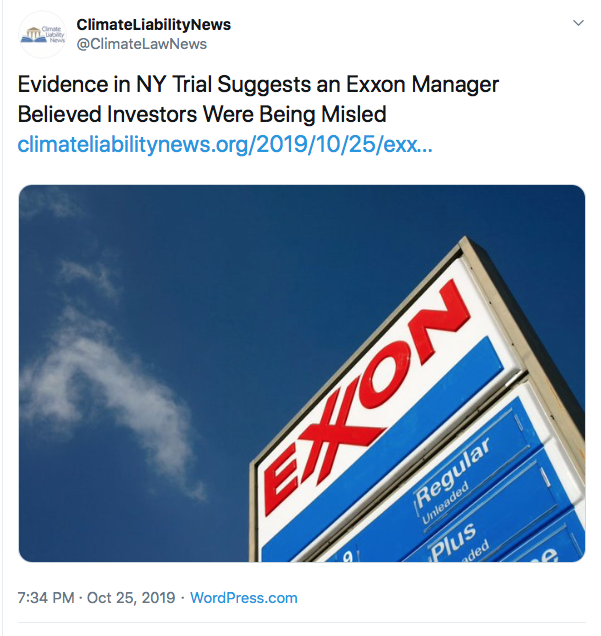
The New York state fraud trial against ExxonMobile of Irving, TX,
kicked off on October 22, 2019 and a week later is still underway. The issues are now so heated, they’ve become as toxic as Exxon itself.

Texas is responsible for 12.7% of US carbon emissions, yet is 1 of 50 states. This ST-Saga-CovFrnt-72dpi-300
staggering percent alone indicates the significant increase in US and world carbon emission levels that oil production generates. It’s unimaginable that such a massive and profitable public company like ExxonMobile, can receive all the benefits and yet not be required to bare the burden of the negatives, meanwhile millions of innocent victims can lose their homes, all their personal possessions as well as their livelihoods, and potentially their lives, without any redress… until now.

Texas’ per capita carbon emissions is 24 metric tons, while California is only 9 metric tons, and NY of all states has the lowest per capita carbon emissions reading of a mere 8 metric tons, one third that of Texas. The District of Columbia is the lowest overall at 4 metric tons, but is not considered one of the 50 states. Coal state West Virginia, with the highest per capita carbon emissions of states whose population is more than one million, has a per capita carbon emissions reading of mind-numbing 52 metric tons.

  • TX – 28 million people, 12.7% of US carbon emissions
  • CA – 39 million, 7% US carbon emissions
  • FL – 21 million, 4.5% US carbon emissions
  • PA – 13 million, 4.2% US carbon emissions
  • NY – 20 million, 3.2% US carbon emissions
Screen Shot 2019-10-29 at 9.08.05 PM.png

Louisiana is another huge oil producing state, and is on the heels of West Virginia’s per capita carbon emissions, with a per capita reading of 45. There are two interesting outliers that haven’t been factored in, North Dakota and Wyoming, with 2019 populations so tiny —  757,952 and 585,501 — that their per capita carbon emissions appears criminal: North Dakota at 72 metric tons and Wyoming at 104. These two states seem to emphasize the significant impact cattle production has on global warming. For example, the state of North Dakota has 1.8 million cattle for it’s population of 585,501.
Screen Shot 2019-10-29 at 9.09.26 PM.png

If these state carbon emission readings are readily available through wikipedia, and the ability to draw connections between oil production, carbon emission levels, and global warming is so blatant and clear, how is it possible for the corporate executives to turn a blind eye to the global impact? Do the majority of us do that in our own lives and/or professions? It doesn’t appear that we do. Take parenting toddlers for example.
Screen Shot 2019-10-29 at 9.07.43 PM.png

Parents baby proof homes to keep their children safe. Gates go up. Special locks are attached to doors and drawers. Children are strapped into every kind of seat imaginable. Warnings are placed on every product catering to children. All of these precautions are soon ingrained in us. We’re able to assess our homes, connect dots, and buy products that meet the needs of ensuring safety. With this standard in mind, it thus makes Exxon’s willful disregard for doing the same type of assessment, and creating an action plan to address the dangers, that much more maddening.

Screen Shot 2019-10-29 at 9.08.58 PM.png

According to Courthouse News Service, in Manhattan court today, Rex Tillerson testified that he “lobbied the previous administration for a carbon tax and pushed for the landmark Paris Climate Accords.” The fact that his lobbying efforts didn’t work, or that Trump pulled the US out of the Paris Agreement, appears to make Tillerson believe that he therefore did everything he could and isn’t responsible for any damage that Texas’ 12.7% carbon emission reading has on the world.

Interestingly, there are 22 states that chose to stay in the Paris Agreement, despite Trump pulling the US out. Texas wasn’t one of them. But 22 is nearly half the US states, three of which are red states. So it’s unclear why Tillerson would try and use Trump’s leaving the Paris Agreement as an excuse for doing nothing, when so many others in the same situation, rallied to protect their states and citizens and moved forward with creating and executing climate action agendas to meet the target goals outlined in the Paris Agreement, regardless of whether the US was in or not.

Screen Shot 2019-10-30 at 6.31.39 PM.png

Not only is Tillerson’s Paris Agreement excuse a non-starter, which serves to further validate the NY Attorney General’s claim of investor fraud, and underscore the willful disconnect between Exxon’s CEO and the reality of climate change, but when the extra level of sociopathic behavior of “lobbying for a carbon tax” is added in, which was followed by doing nothing when the carbon tax didn’t pass in Congress, the excuse becomes so lame it seems fraudulent for Tillerson to even mention it during his testimony today.

If a CEO truly does passionately believe in a carbon tax — because he understands that global warming and destructive climate events harm millions and millions, possibly billions of innocent victims — wouldn’t he have nobly used this would be carbon tax money to assist victims of traumatic climate events?

Exxon gave $500,000 during the 2017 Hurricane Harvey aftermath in Houston, and according to Google, nothing since to any other climate victims following catastrophic weather events. The microscopic Harvey amount is unfathomably pathetic when a company earned $19.7 billion that same year, compared to $7.8 billion the preceding year. The stunning increase in Exxon’s 2017 earnings during Tillerson’s first year as Secretary of State (should that be investigated?), with only a few tiny pennies to help with Harvey destruction? No, sorry, Mr. Tillerson. Your testimony today underscores your apathy and indifference to the global community that you’ve shattered.

The facts are plain as day. True leaders with a conscience know how to proceed and navigate a responsible path forward to protect the innocent in this type of quagmire (a quagmire that Exxon seemed to intentionally create so it wouldn’t be forced to act), but you, Sir, took advantage of the foggy conditions, and used it as an opportunity to maximize your profits and net worth. May justice be served. Hundreds of thousands have already died, millions of lives have been ruined. Short term greed has resulted in long term catastrophic global ruin. There’s hell to pay.

© Copyright 2018 – 2019. ALL Rights Reserved.
GallantLogoNWST-75