Category: Climate Change

Overhauling the Packaging of Consumer Brands | Circular Economy

Washington (GGM) Analysis | February 13, 2020

NWHillReport-Pic by Noreen Wise

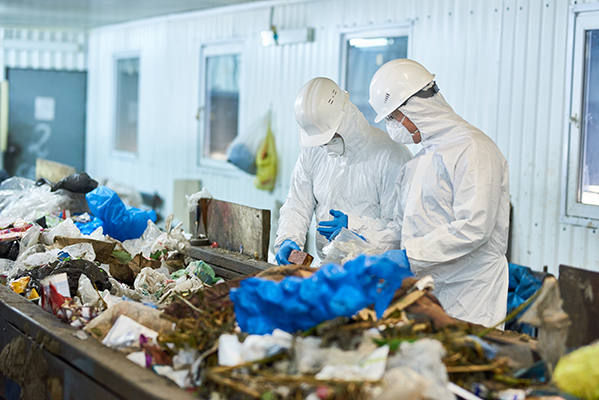
With the advent of the global circular economy movement, it soon becomes clear just how many everyday items can’t be recycled. It’s quite alarming. We’ll never reach zero waste unless we find innovative solutions to meet this imperative.

Take plastic, for example. The following plastic packaging/ additional items cannot be recycled:

  • plastic single use shopping bags
  • straws
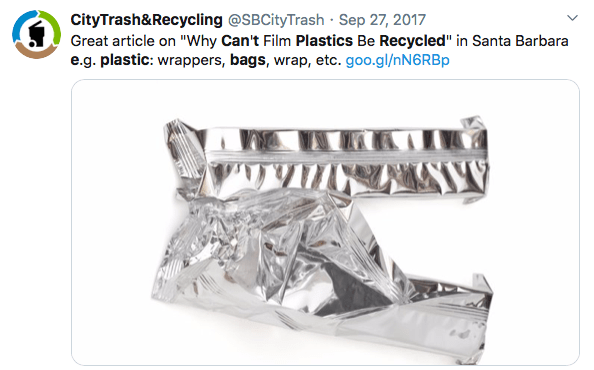
  • plastic film wrap
  • frozen food bags (nearly all vegetables are sold in non-recyclable bags)
  • cereal box liner
  • chip bags
  • granola bar, candy bar and nearly all snack items wrappers
  • six-pack rings
  • plastic hangers
  • any plastic containers that can’t be cleaned, ie toothpaste tubes

Back before I was aware that these particular pieces couldn’t be recycled, it was exciting to end the month with an empty kitchen garbage bin. But now that I’m in the know, and I see the waste stack up, I feel maximum frustration. We have to stop, focus and fix.

Screen Shot 2020-02-13 at 10.09.07 PM.png Thankfully, innovative sustainability companies have done just that. According to Healthy Human, the following are the top sustainable packaging innovations of 2019:

  • Loop, Returnity and Share Pack – companies that enable consumers to conveniently return packaging either by dropping off at targeted locations, or sending back in company provided totes
  • Plant based packaging – plastics made from plants
  • Edible packaging – typically this is seaweed, hopefully they’ll soon find additional alternatives
  • Plantable packaging – contains seeds so the packaging can be planted after use
  • Compostable plastic alternatives
  • Minimal packaging design
  • Upcycled or recycled packaging

Screen Shot 2020-02-13 at 10.09.27 PM.png

Sustainable packaging solutions are here. All we need now is to grow demand which will come from our consumer decision making. We simply must be motivated to seek these sustainably packaged products out and use our wallets to influence corporations to switch. If we all refuse to buy particular brands because of the packaging, corporations will soon wise up.

We can DO THIS!~

© Copyright 2018 – 2020. ALL Rights Reserved.
GallantLogoNWST-75

ST-Saga-CovFrnt-72dpi-300

Are You Ever Confused About What Can Be Recycled? | Check Out This Link

Washington (GGM) Analysis | February 10, 2020
NWHillReport-Pic by Noreen Wise

Recycling has the world’s undivided attention as we strive to reach our lofty goal of zero waste.  Proper recycling is of the utmost importance in the new circular economy era. As we attempt to deposit each item into the correct bin, it’s become more clear that the packaging industry has to be overhauled.

  • Paper labels stickered to a glass container is a very big problem. When glass is pure,  it’s 100% recyclable. When paper stickers are added to the mix, it changes everything.
  • How about the bubble wrap mailing envelopes? Paper on the outside, plastic inside. These can’y be recycled, which is unacceptable.
  • Toothpaste has to have a package redesign as well. It’s impossible to recycle toothpaste tubes because they can’t be cleaned.
  • Plastic bags can’t be recycled. This includes bread bags, frozen fruit and vegetables, Saran wrap, sandwich bags, etc.
  • If we can’t reuse or recycle, we must refuse.

On the subject of cleaning, any plastic container that’s dirty cannot be recycled. Plastic packaging with skinny necks, and there are many, are a very serious problem. The hair conditioner I use, is nearly impossible to clean. I have to work so hard at it, I become aggravated at the selfish business practices of the manufacturer. My time is very valuable. Being forced to be clever and resourceful after a long day of work, so that the manufacturer’s job is easier, isn’t right.

Screen Shot 2020-02-10 at 10.10.21 PM.png

Here’s an exceptional link that makes recycling super easy. Just enter the name of the item you want to recycle, and it will tell you how to take care of it.

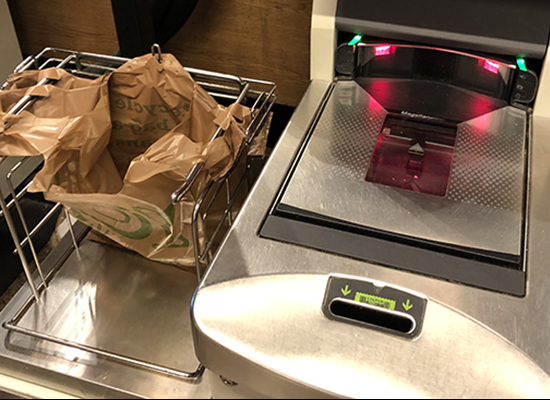
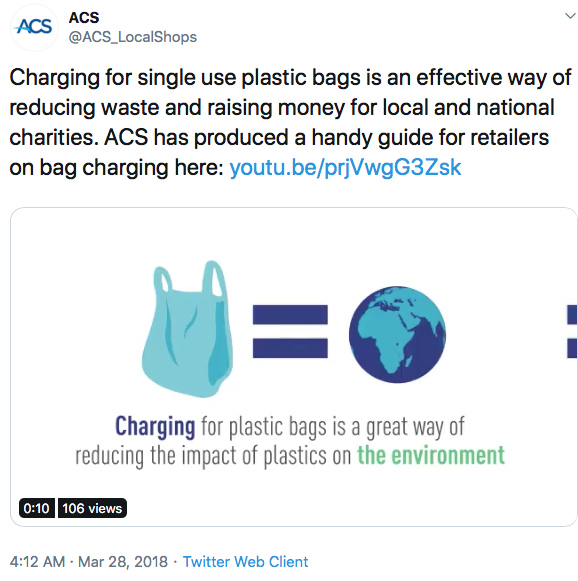
By the way, plastic shopping bags cannot be recycled either. ZeroWaste.gov recommends that these be recycled by returning them to the store where they came from. Excellent idea! Better yet, invest in reusable bags to make your life easier, and the world a better place.~

Screen Shot 2020-02-10 at 10.13.36 PM.png

© Copyright 2018 – 2020. ALL Rights Reserved.
GallantLogoNWST-75


What Can Be Composted? | Circular Economy

Washington (GGM) Analysis | February 8, 2020
NWHillReport-Pic by Noreen Wise

Composting is quickly becoming a very big deal. Knowing what can be composted, particularly at home, will net many positive rewards for you as an individual as well as your household, the environment, and for contributing in the lowering of global atmospheric carbon levels.

Screen Shot 2020-02-08 at 3.39.15 PM.png

Since there are so many benefits to composting, the sooner we start, the better. For the most part, it’s broken down to a solid mix  of “Greens” and “Browns,” the add a bit of water to the bin. Per the US EPA, the breakdown is as follows:

GREENS

  • all fruits & vegetables scraps
  • coffee grounds & tea bags
  • egg shells
  • grass clippings
  • yard trimmings
  • house plants
  • animal manures (except dog and cat)
  • seaweed

BROWNS

  • paper
  • cardboard
  • shredded newspaper
  • branches
  • dead leaves
  • pine needles
  • paper napkins
  • straw and hay
  • sawdust
  • corn stalks
  • dryer lint

Screen Shot 2020-02-08 at 6.16.52 PM.png

Check your city to see of they have compost drop off stations. Many towns and cities do. Washington DC for example, has compost drop-off at every farmers market, and during winter, there are three locations, one of which is opened on Sundays. Spring and summer months, the public can pick up compost for free to use in home gardens.

We’ve got this, LET’S GO!~

© Copyright 2018 – 2020. ALL Rights Reserved.
GallantLogoNWST-75

Climate Change & Education | US Botanic Garden in DC

Washington (GGM) Analysis | February 2, 2020
NWHillReport-Pic by Noreen Wise

With Italy’s official announcement at the beginning of the new year, that all schools will now teach sustainability & climate change, many American educators are looking for ways to incorporate climate change lesson plans into their curriculum.

This is a big deal. Education will curb the fears that many young students harbor when they hear repeated warnings about the future. News flashes on phones about apocalyptic wildfires that killed a billion animals, and destroyed thousands of homes, is massively anxiety provoking. Lack of information fuels their concern, and action oriented facts curb it.

With this in mind, it was very exciting to see the impactful event at the US Botanic Garden on Capitol Hill Thursday evening January 30, 2020 for teachers in the Washington DC and outlying suburbs. Interactive tables, featuring climate change lesson plans, were spread throughout the breathtaking flora. Sustainability, the environment and nature were also included. Very inspiring. Nature itself is therapeutic. Studying nature along with climate action will improve the mental health of our youth as we rush to adapt to the crushing reality of the climate crisis.

HillReport2-2-2020a

Modeling the importance of composting was powerful, especially on Capitol Hill where Mitch McConnell is blocking compositing in the dining halls in the Senate and House office buildings.

The following are several of the innovative lesson plans featured at the event:

  • Renewables and Nonrenewables, Oh My!
  • Waste Less, Recycle More
  • Greenhouse Manual by the US Botanic Garden: “exploring ways to incorporate a greenhouse as a hands-on learning environment for students of all ages.”
  • School Tree Planting Program
  • Native Knowledge, Teaching America’s Whole Story – created by the Smithsonian’s National Museum of the American Indian
  • Living Earth Teach-In: Sustaining our Future through Indigenous Knowledge
  • Air Quality Action Guide
  • What You Should Know About Ground Level Ozone and Particle Pollution
  • An Educators Guide to the Meaningful Watershed Educational Experience (MWEE)
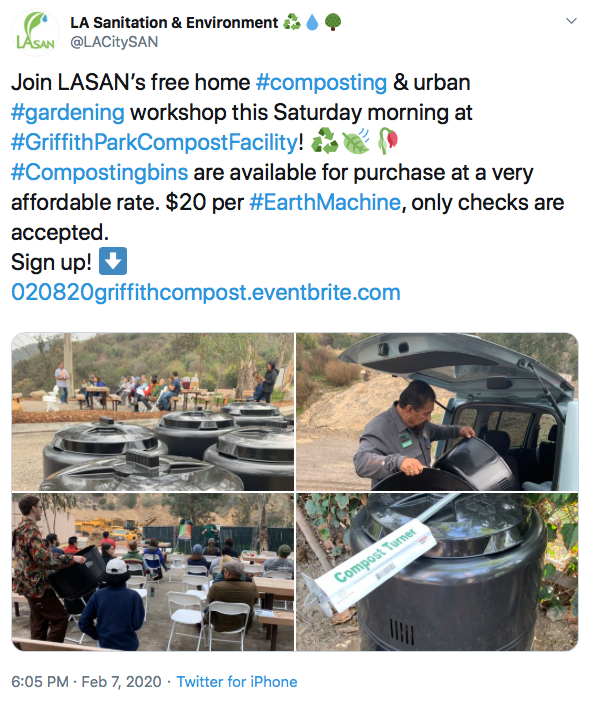
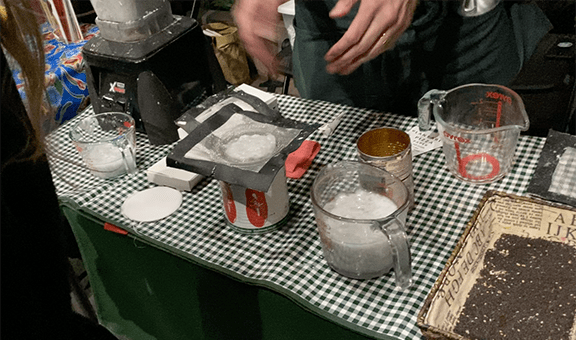
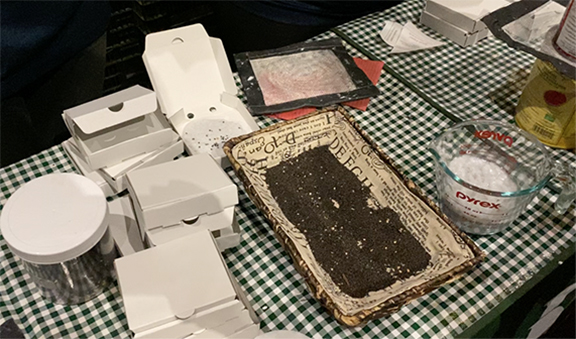
  • Oh, and creating seed pizzas that will make spring planting so much easier (this was amazing)

HillReport2-2-2020b

HillReport2-2-2020c

© Copyright 2018 – 2020. ALL Rights Reserved.
GallantLogoNWST-75

ST-Saga-CovFrnt-72dpi-300

Renewable Portfolio Standard | Solar Energy

Washington (GGM) Analysis | January 3, 2020
NoreenProfilePicHillReport-75 by Noreen Wise

State Renewable Portfolio Standards are often the driver behind how quickly residents switch to solar energy. We all must know where our state stands on critical ST-Saga-CovFrnt-72dpi-300
renewable energy policies that will be the catalyst for how quickly the United States can lower our nation’s carbon footprint. States like Massachusettes, New York, California and Maryland are way out in front, while states like Texas, Florida and Georgia are at the very bottom, and are several of the country’s largest carbon emitters.

Foreign countries are angry about the largest carbon emitter’s lack of movement in reducing carbon levels and have become staunch advocates against climate injustice. On December 20, 2019, a Dutch court  issued a strong warning to world leaders demanding they take climate action to reduce their nation’s carbon footprint or one day be held accountable by victims.

What are Renewable Portfolio Standards?

RPS-2

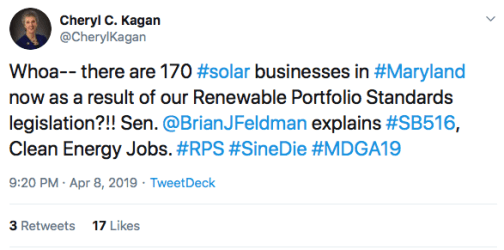
According to SolarPower Rocks, an exceptional hub of vital information for anyone seeking details about installing solar panels on home or business roofs or property, Renewable Portfolio Standards (RPS) are state laws requiring that utility companies generate a certain percentage of renewable energy by specific dates. For example, Maryland passed a law in 2019 that requires 50% of it’s energy to be renewable by 2030. this is considered aggressive and quite significant. There are now 170 solar companies that have sprung up in Maryland since the law was passed.

RPS-3

Very exciting to be living in the states that’s a frontrunner. Terrifying to be a resident in a state burying its head in cement, rigidly fixated on the past. This is a matter of life and death.~

© Copyright 2018 – 2020. ALL Rights Reserved.
GallantLogoNWST-75

FINALLY! Ketchup Packaged In Glass | New Brands

Washington (GGM) Analysis | April 17, 2022 by Noreen Wise | Reprint from December 24, 2019

Exciting update on the “Ketchup in a glass bottle sold locally” saga, a tale that has reached a positive outcome in just five weeks. Five weeks is a very short period of time to go from 0 to 60. This proves that social media is a very powerful solutions driver.

Continue reading “FINALLY! Ketchup Packaged In Glass | New Brands”

So Many Beautiful & Exciting Possibilities | Cutting Carbon

Washington (GGM) Analysis | December 21, 2019
NoreenProfilePicHillReport-75 by Noreen Wise

“Flowers always make people better, happier, and more helpful; they are sunshine, food, and medicine to the soul.” ~Luther Burbank

And flowers cut carbon too! Flower boxes in the windows of our homes and businesses, and hanging baskets from street lights, will add yet another layer of nature to absorb carbon. We need as much help as we can get. It’s another exceptional tool in our climate action tool shed that will reap a wave of benefits, improving both our atmospheric carbon levels, and our quality of life.

Will flower boxes in the windows of the majority of homes and businesses increase property values? I guess we’ll find out as soon as we begin a window flower box campaign.

BrightSide-350SquarePocastLogo-NEWEST
PODCAST- daily conversation that focuses on how to turn negative circumstances into positives and land on the bright side.

According to BestLife, flowers:

  • Reduce stress
  • Elevate mood
  • Strengthen relationships
  • Increase memory
  • Certain flowers can help us fall asleep
  • Help us heal

ST-INST12-21-2019a

Not only do flowers absorb CO2, they’re also air purifiers, absorbing pollutants such as benzene, acetone, formaldehyde and trichloroethylene.

We can do this! Warm weather climates can begin today. The rest of us can begin planning today so we’re ready to spring into action as soon as the weather breaks. 🌺

HillReport12-21-2019a

© Copyright 2018 – 2020. ALL Rights Reserved.
GallantLogoNWST-75

EV Charging Stations | Retail & Restaurant Parking Lots ROCK!

Washington (GGM) Analysis | December 20, 2019
NoreenProfilePicHillReport-75 by Noreen Wise

The new year is here. Thinking of all that can be accomplished on the Climate Action front makes my head spin. Way at the top of the list is EV cars, which means EV charging ST-Saga-CovFrnt-72dpi-300
stations are going to be on everyone’s minds.

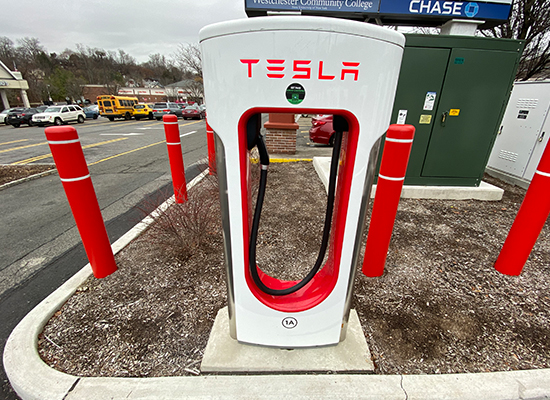
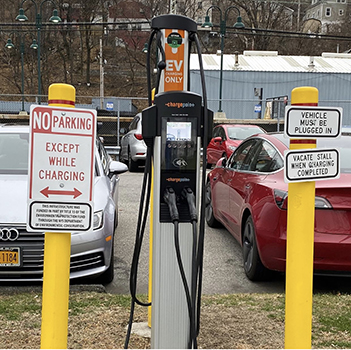
Savvy business owners and managers who have parking lots can take advantage of this consumer need by installing a handful of charging stations in their parking lots. It seems that this is what everyone has been talking about at holiday parties this year. Where do you charge your car?

One woman I spoke with lives in a complex that doesn’t yet have charging stations, so she has to be sure to charge in town. She now LOVES Walgreens because they have charging stations. She makes plans to charge while she shops. It was likely that she rarely shopped at Walgreens before buying an EV, but now, it’s her favorite store in the world. And she always spends money, every single week.

HillReport12-20-2019aWide open green fields for marketing, literally. And the best part about this unique opportunity, is that EV owners who charge when visiting a store, feels immense gratitude. The most passionate, heartfelt kind of deep appreciation, almost an indebtedness, the way we feel towards heroes. They’ll likely feel inspired to say “yes” to a  promotion opportunity rather than “no.”
When restaurants and retailers everywhere begin adding charging stations to parking lots, we’ll see EV sales go through the roof, and the atmospheric carbon levels drop. Win/win! In certain regions, businesses can find sizable grants to help cover the cost. Good Luck!~

HillReport12-20-2019b

© Copyright 2018 – 2019. ALL Rights Reserved.
GallantLogoNWST-75


Consumers Profit from Circular Economy

Washington (GGM) Analysis | December 16, 2019
NoreenProfilePicHillReport-75 by Noreen Wise

Finally, the era of consumer profit has arrived. We’ve certainly earned this ST-Saga-CovFrnt-72dpi-300
unexpected windfall after nearly two centuries of corporate greed destroying our hopes & dreams by restraining our financial ability to achieve them.

Now that our golden opportunity is upon us, let’s try and maximize the amazing possibilities so we can quickly increase our disposable income and apply this boost to health, education and long term goals.

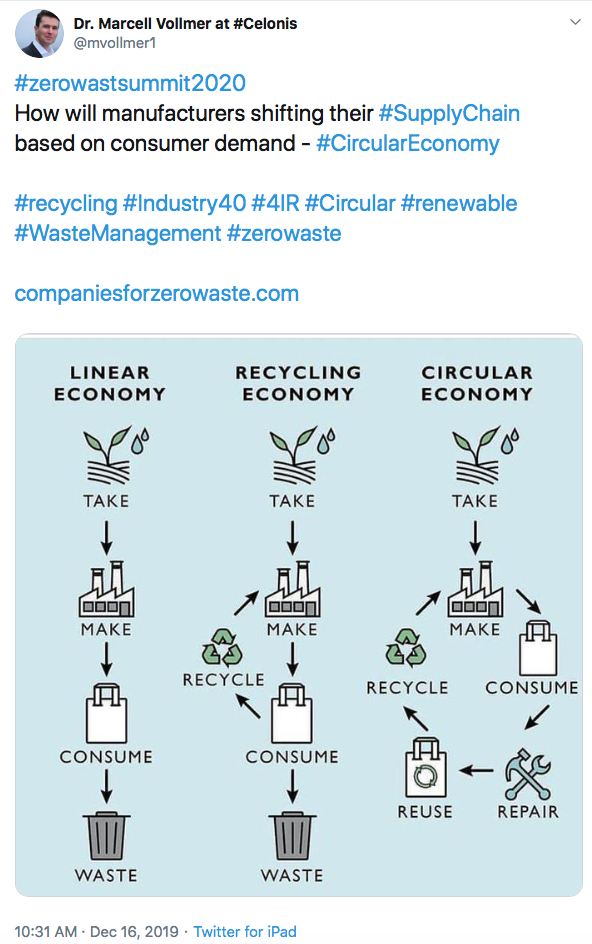
A circular economy is created through the principals of Reduce-Reuse-Recycle. This requires a bit of imagination and resourcefulness, key characteristics of the creative, the artists and those with right brain strengths.

HillReport12-16-19c

According to the Centre of Expertise on Resources, the tools for succeeding at a “no waste” circular economy are straight forward:

  • Refuse: try to eliminate using our natural resources when there are other alternatives
  • Reduce: lower the need for using natural resources, by reusing products already manufactured
  • Reuse: rayon paper towels can be washed and reused over and over
  • Repair: if the screen breaks on our phones, we simply repair rather than buy a new one
  • Refurbish: improving a product when it ages, ie repainting, polishing, etc
  • Remanufacture: improving an old product and using in a new way (broken outdoor shutters create beautiful indoor wall hangings… ART!)
  • Repurpose: reuse a product for a new purpose without having to change anything about it (glass jars are best example, buy pickles in a glass jar, when done we now have a storage container)
  • Recycle: reusing a products raw materials
  • Recover: use waste to make energy

HillReport12-16-19a
photography by AdobeStock

The most useful & effective reusable product that I’ve stumbled upon are rayon paper towels that can be washed, dried & reused indefinitely. They hold up well. I was spending $6 per week on paper towels, and now $0. That’s an easy $312 in my pocket.

We’ve got THIS!

© Copyright 2018 – 2019. ALL Rights Reserved.
GallantLogoNWST-75

More States Banning Single-Use Plastic Bags | Reusables for Every Store

Washington (GGM) Analysis | November 30, 2019
NoreenProfilePicHillReport-75 by Noreen Wise

The holiday shopping season has begun. Packed malls and stores from coast to coast. American consumers are expected to spend nearly a half trillion dollars  from Thanksgiving through December 25, 2019. But how many US shoppers will rely on their reusable bags at every store they visit?

ST-SAGA-CovFrnt-72-300Prior to 1977, stores offered paper bags to shoppers. But once the first plastic shopping bags appeared in 1977, the switch to plastic was swift and furious and by the end of the 1990’s, the vast majority of retail outlets across the globe relied on single-use plastic. According to The World Counts:

  • we consume 5 trillion single-use plastic bags per year
  • 160,000 single-use plastic bags per second
  • but sadly, less than 1% of these are recycled
  • single-use plastic bags are made from oil, gas & coal which produce a significant amount of carbon
  • one ton of recycled single-use plastic bags equals 11 barrels of oil
  • the public’s seeming indifference to the extensive damage single-use plastic causes the environment, as well as it’s impact on climate change, has resulted in several states stepping in to regulate the use of single-use plastic bags

HillReport11-30-19d

According to U.S. News & World Report:

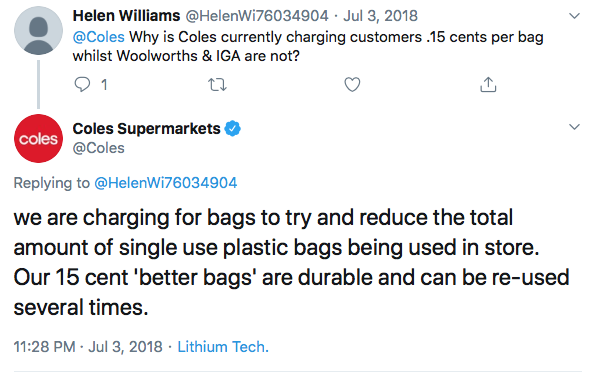
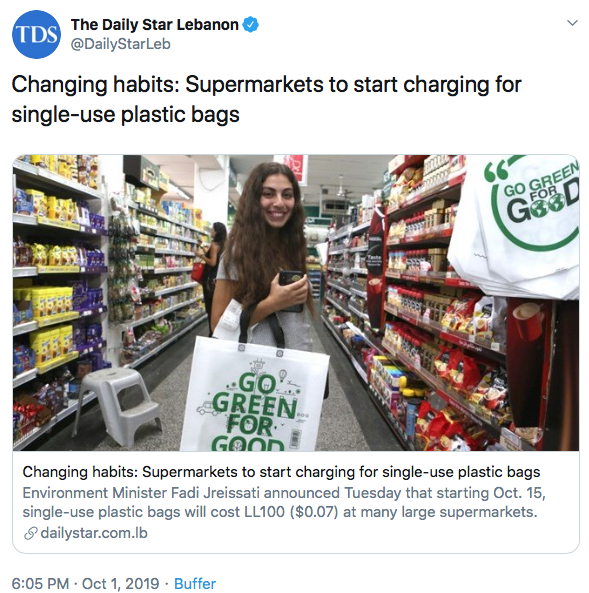
  • Connecticut just passed a law that went into effect August 1 2019, banning single-use plastic bags in grocery stores and restaurants by July 2021. Some grocery store chains and restaurants have already begun transitioning patrons to the ban by ditching all plastic bags and charging shoppers .10 cents for paper bags, as well as passing along a discount to shoppers who bring their own reusables. Businesses that continue to provide singles-use plastic bags these next 19 months will charge shoppers a .10 cent tax for each plastic bag. This is an excellent model for other states to follow.

HillReport11-30-19a

  • California was the very first state to ban single-use plastic bags back in 2014, and San Francisco was the first US city in 2007
  • New York jumped in and banned single-use plastic bags on Earth Day 2019; the ban will go into effective March of 2020
  • Hawaii hasn’t officially banned these deadly bags, but beginning in 2015 every county in the state has barred them, so Hawaii too is included in the count of state bans

HillReport11-30-19b.png

The Center for Biological Diversity has provided a critical list of key facts about the harm of single-use plastic bags:

  • the average American household uses 1,500 sing-use plastic shopping bags per year
  • 80% of the oceans’ massive toxic plastic island, the size of France, floating in the Pacific, comes from the plastic’s use on land
  • once it begins swirling around in the ocean, plastic is broken down into micro plastic fragments the size of rice and ingested by the majority of marine mammals
  • 267 marine species are impacted by plastic
  • each year, 100,000 marine animals die from plastic consumption
  • once dumped in a landfill, it will take 500+ years for a plastic bag to degrade

HillReport11-30-19c.png

It’s time to ACT. SAVE a LIFE this Holiday Season. There’s no need to wait for a ban in our states. Shop with REUSABLE bags at EVERY store beginning immediately.

Let’s GO. We can do this!

© Copyright 2018 – 2019. ALL Rights Reserved.
GallantLogoNWST-75